Today, they are one of the fastest-growing visitor attraction categories in Europe. The shift is not random. Stadium tours have been pulled into the mainstream by a powerful cultural force: sports storytelling.
Streaming platforms have turned athletes, clubs, and competitions into character-driven epics. Suddenly, even people who cannot describe the offside rule know the names of club legends, recognise stadium tunnels, or feel emotionally invested in a team they have never seen live.
This change has transformed stadium tours. They are no longer a side activity. They are a year-round visitor attraction, a strategic revenue stream, and a key part of new stadium business models. You can see them starting to populate countless OTAs, as a consequence.
Here is what is driving the rise, and what it means for operators.
Sports documentaries have created a new kind of visitor
Netflix, Disney+, Amazon, and Apple have rewritten the rules of sports fandom. Once, you became a fan because you lived near the stadium or your dad made you. Now, you can fall in love with a team from your sofa.
A few winning examples
- Drive to Survive fuelled a surge in Formula 1 interest. F1 reported a 40 percent growth in its US fanbase after the show launched, making America its fastest-growing market.
- Full Swing increased US searches for “PGA tour tickets” by 28 percent within two months of release, according to Golf Datatech.
- Tour de France: Unchained attracted a younger audience to cycling. The average viewer age of the series was 18 to 34, compared with 55 plus for the live broadcast.
- Cheer sparked a measurable increase in attendance at competitive cheer events. Varsity Spirit reported a 22 percent rise in event ticket sales the season after release.
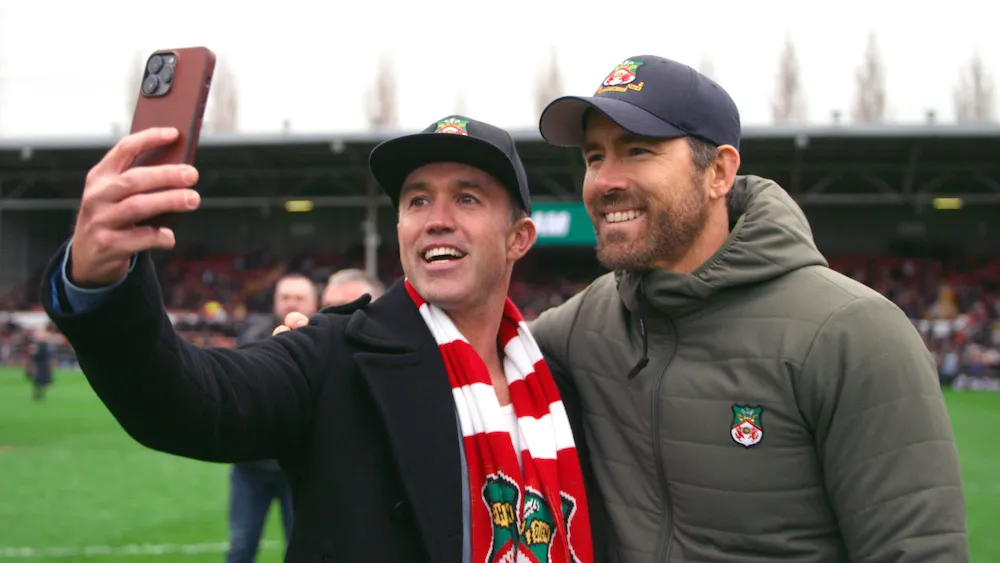
- Welcome to Wrexham turned a lower-league football club into an international brand. Wrexham AFC’s stadium tour bookings increased significantly, with visits from the US growing sharply between 2022 and 2024.
- Sunderland ’Til I Die drove new international visitors to the Stadium of Light, with Visit Sunderland citing a noticeable rise in non-UK football tourism enquiries after release.
Storytelling is the new meta
Storytelling grows demand. By crafting a well-rounded story, you are able to inject mythology into the world of your team. With heroes and villains and great adventures, all of which can be charted, recorded, and told through stadium tours and museum experiences.
Viewers are not just interested in the sport; they are also interested in the athletes. They want the behind-the-scenes world. They want access, authenticity, and a sense of connection. A stadium tour provides exactly that.
This is why football museums and stadium experiences now attract a broader audience than ever before. They appeal to fans, families, curious tourists, and people who simply binged a series on Netflix last week.
Build your Football club’s myth now with Palisis.