A lot of tour operators know they should have better video content.
They want something for their website. Something for social media. Something they can use in ads, sales decks, trade shows, or partner conversations. Something that helps customers picture the experience before they book.
Then the questions start.
- Who do we film?
- Do we need actors?
- How much does it cost?
- What do we actually show?
- How do we make it look professional without turning it into a huge production?
The good news is that you do not need a massive budget or a full film crew to create a promo video that works.
But there is one key difference between a successful shoot and a logistical nightmare: a clear plan.
The best promo videos are not really about filming a bus, a boat, a guide, a ticket office, or an attraction entrance. They are about showing what the day feels like for the customer, and making it easy for future guests to imagine themselves in that experience.
Start with the outcome, not the camera
Before you think about lenses, music, drone shots, or editing styles, get clear on one thing:
What is this video meant to do?
Many operators jump straight to filming because they are excited about the visual side. That is understandable, but it often leads to a video that looks nice and says very little.
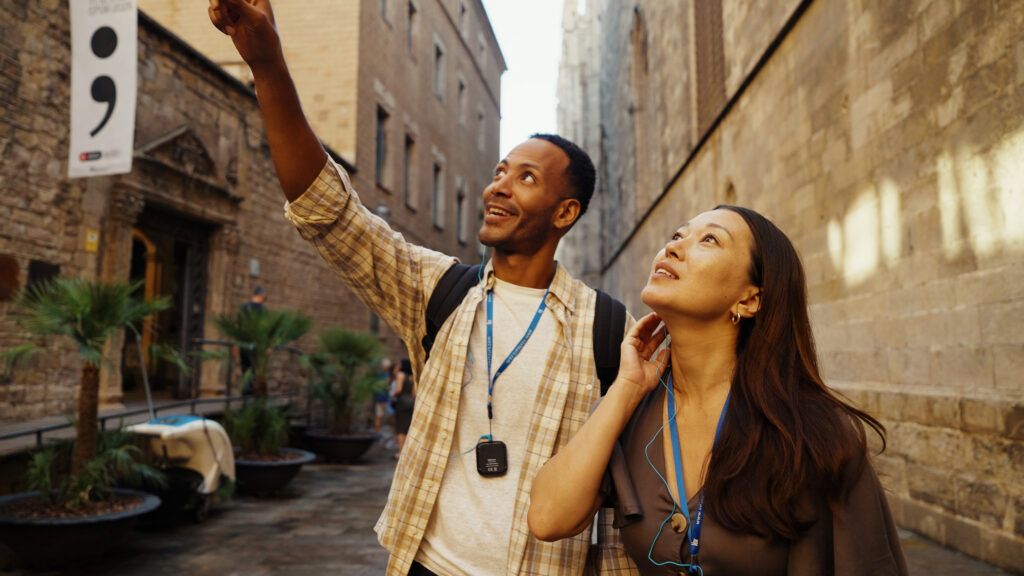
A better starting point is to decide what the video needs to achieve. As with any business project, you need to be oriented toward a goal, something that will improve your business.
For example:
- Do you want to increase direct bookings on your website?
- Do you want to make your experience look easier and more premium?
- Do you want to show how simple it is to board, check in, or redeem tickets?
- Do you want to help OTA customers feel confident about what happens on the day?
- Do you want one hero video, or lots of smaller clips for different uses?
It may seem like splitting hairs but it’s not. Those answers shape everything else, from what you film to who you cast to how long the final edit should be.
Think in terms of customer journeys
The simplest way to plan a tourism promo video is to follow the guest journey.
That means filming the experience the way a real customer would live it, rather than collecting random scenic shots and hoping they somehow turn into a story later.
The reality is that most content – be it written, recorded, or even live – exists to craft a story. And when creating a video for the customers, we are telling a story about the customer journey.
A customer journey video might include:
- Discovering the experience
- Booking online
- Receiving the ticket
- Arriving at the location
- Checking in or boarding
- Enjoying the experience
- Taking photos or sharing moments
- Finishing the day feeling happy and relaxed
This gives your video structure straight away.
It also helps avoid one of the most common mistakes in tourism filming: spending hours capturing beautiful destination footage but missing the practical moments that actually help customers understand what the experience is like.
Operators often focus on landmarks, views, and smiling faces. Those matter, of course. But what often makes someone book is confidence.
Answering the important questions is crucial to doing this, and your promo should do that – without falling into the trap of feeling like an instruction manual.
Can I find the meeting point?
Will this be easy?
Will it feel organised?
Will I know what to do when I arrive?
Will this be worth my money?
Will this fit smoothly into my day?
These are all things that can be showcased in your content whilst also demonstrating a remarkable vibe that shows off the exact feeling you want to conjure in your audience.
A people-centric video that informs your viewers about what is involved in a day balanced with entertaining visuals that excite and delight,, is the perfect way to do it.
That could mean showing:
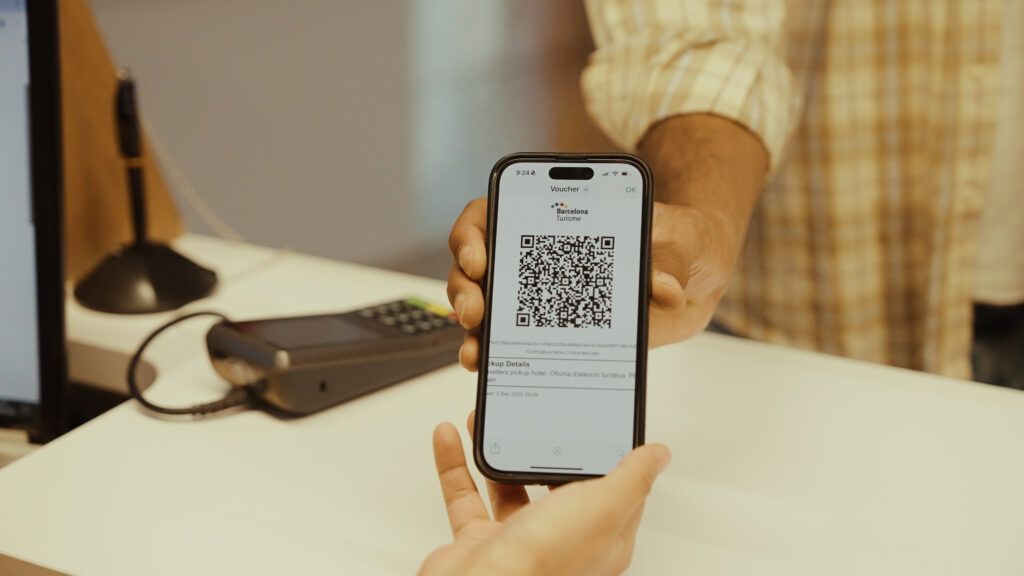
- A mobile ticket being opened on a phone
- Clear signage
- A quick check-in process
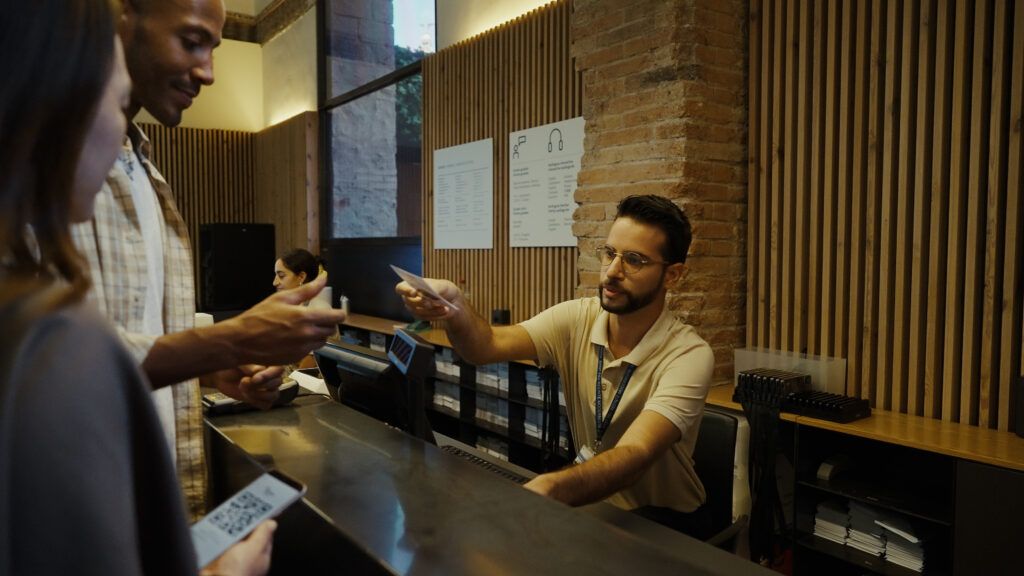
- Friendly staff
- Guests stepping straight onto the bus, boat, train, or into the attraction
- Easy scanning or validation
- Comfortable seating
- Natural reactions during the experience
Small details like this reassure people. They make the experience look smooth, professional, and enjoyable.
Use real people or actors?
This is one of the biggest decisions, and there is no single right answer.
Real customers
Using real customers can make the footage feel natural and authentic. It can also be cheaper.
But it comes with downsides:
- You have less control
- You may need more permissions
- It is harder to guarantee the right shots
- People may look awkward on camera
- You might not get a consistent look across scenes
Staff
Using staff is common and can work well, especially for check-in scenes, boarding, welcoming guests, or demonstration-style moments.
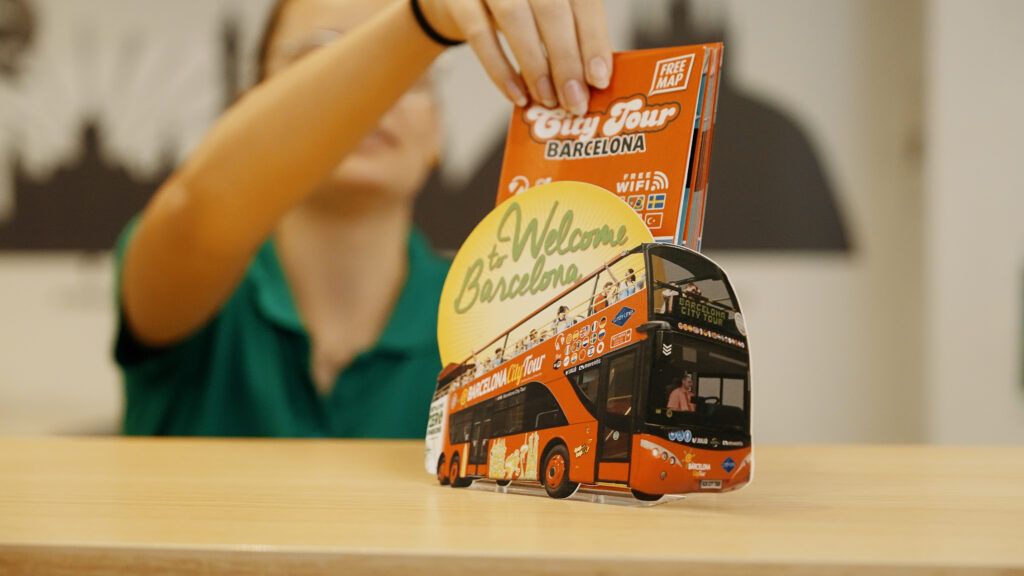
The challenge is that staff are rarely professional performers, and some people become very stiff as soon as a camera appears. Although some 5-star teams are up for the challenge!
Actors or models
Actors cost more, but they make filming easier in many ways.
They can repeat actions.
They understand direction.
They help you build a believable story.
They are often more relaxed on camera.
They give you much more control over timing, wardrobe, and continuity.
For tourism filming, you usually do not need polished TV-commercial acting. What you want is believable, warm, natural energy.
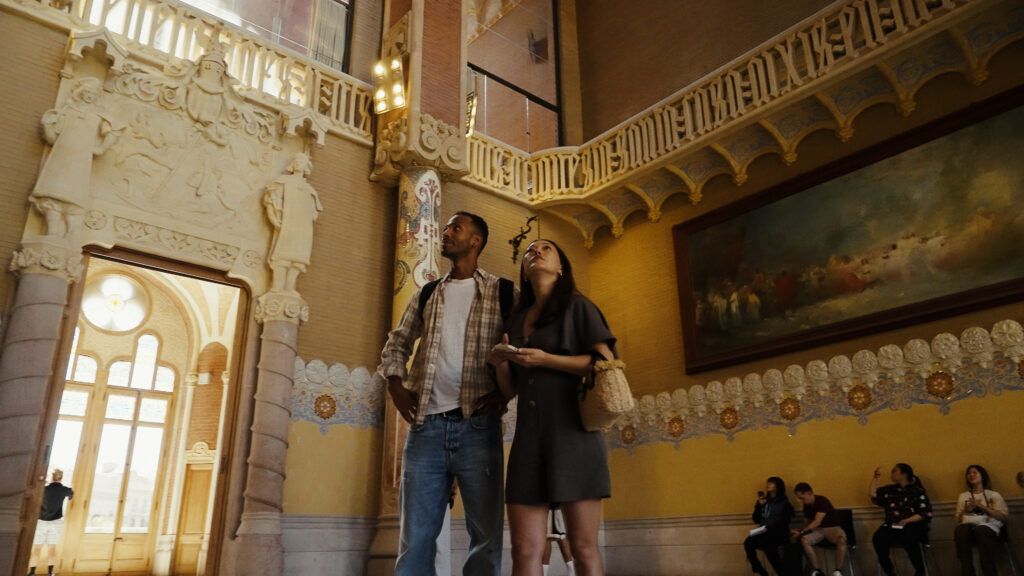
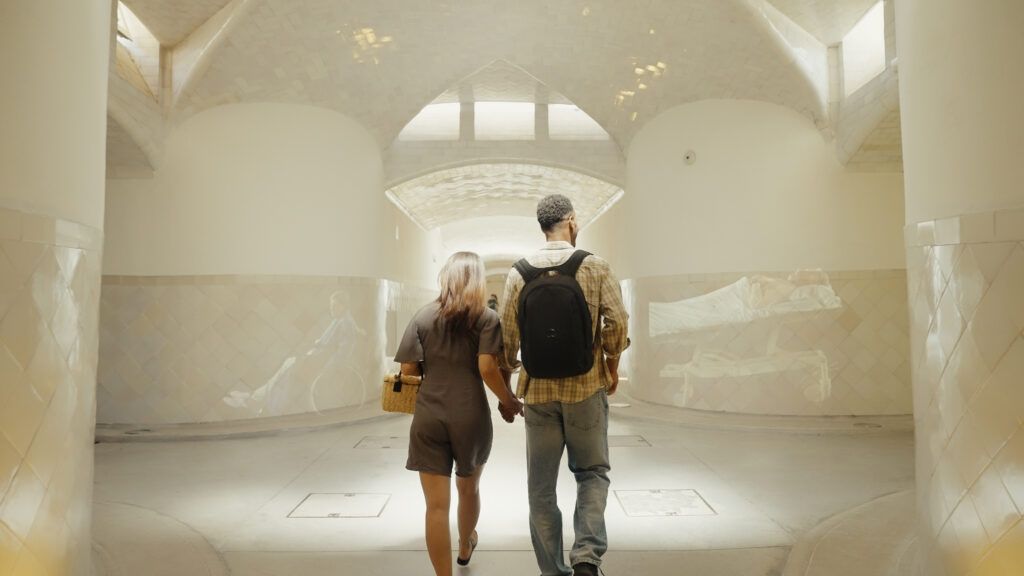
That is why casting matters more than “acting talent” in the traditional sense. A mother and daughter sightseeing together, a couple on a city break, or a group of friends exploring for the first time often works far better than trying to make everything look glamorous.
Choose a cast that fits your audience
This is where many tourism videos quietly go wrong.
The people in the video should feel like the kind of guests you actually want to attract.
That does not mean every operator should film twenty-somethings running around with coffees and sunglasses. In fact, for many sightseeing, ferry, museum, and day-tour businesses, that would be the wrong fit entirely.
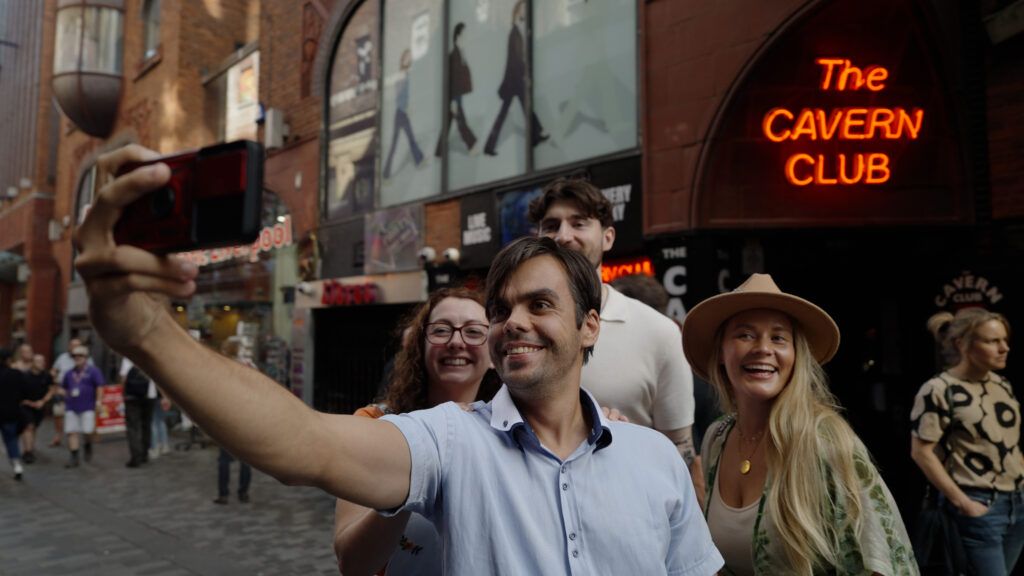
Think about your real customer mix:
- Couples on a city break
- Parents with older children
- Multi-generational families
- Cruise guests
- Solo travellers
- Friends travelling together
- Visitors in their 50s or 60s
- International guests
If your audience is mainly European cultural travellers, cast people who feel believable in that role. If your experience attracts families, show that. If your business is premium, the styling and energy should reflect that too.
Tourism videos work best when viewers can quietly think, “That looks like us”. You don’t want to mismatch your audience’s expectations with reality, or they simply won’t book.
What to actually film
One of the easiest mistakes is filming too little coverage.
It is very easy on the day to think you have plenty of footage, then get to the edit and realise you are missing the simple linking shots that make everything work.
A useful shot list often includes:
Arrival and setup
- Approaching the location
- Exterior signage
- Guests checking phones or tickets
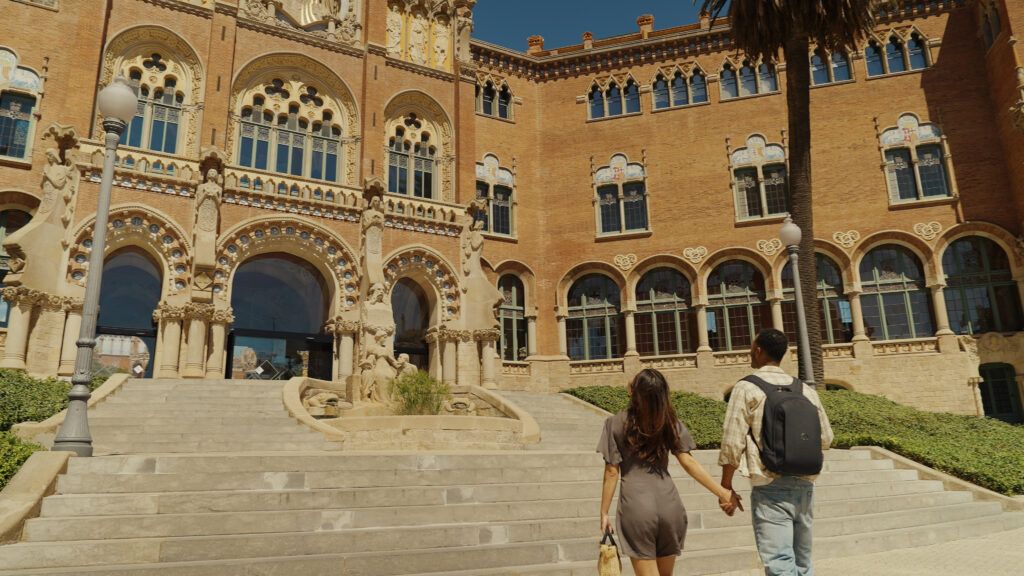
- Wide establishing shots of the area
Booking and ticketing
- Mobile booking confirmations
- Website browsing
- QR code or ticket close-ups
- Ticket validation or scanning
- Box office or kiosk interactions
Customer moments
- Walking up to the experience
- Boarding or entering
- Staff greetings
- Sitting down
- Looking out at the view
- Taking photos
- Laughing or talking naturally
- Small reaction shots
Product and atmosphere
- Landmarks
- Vehicles or vessels in motion
- Interior details
- Seating
- Accessibility details
- Route moments
- Audio guide use
- Maps or printed materials, if relevant
End-of-day feel
- Guests leaving happy
- Sunset or golden hour moments
- Final scenic wide shots
- A simple closing image that feels satisfying
The key is variety. Wide shots, medium shots, close-ups, movement, detail shots, reactions, and useful transitions all matter.
Why storyboard matters, even for a “natural” video
People hear the word storyboard and imagine a huge corporate production. It does not need to be like that.
For most operators, a simple storyboard can just be a sequence of moments.
For example:
- Couple checks their tickets on their phone
- They arrive at the stop
- Staff welcomes them
- Ticket gets scanned
- They board and settle in
- Bus passes key landmarks
- They hop off and explore
- They rejoin later
- End shot with city view
That kind of planning keeps the day focused and makes sure everyone knows what they are trying to achieve.
It also helps prevent wasted filming time, which matters a lot when you are paying for crew, talent, transport, and maybe closing off part of an operation for specific shots.
A Barcelona-style example
A good example of this approach is a Barcelona Aquarium-style customer journey filmed across multiple touchpoints.
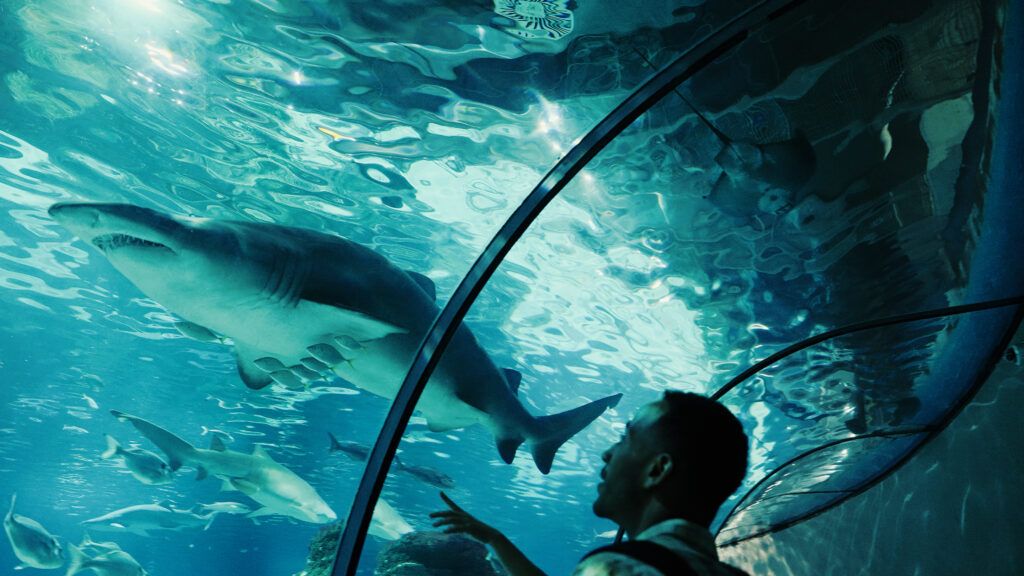
Instead of only filming the attraction itself, the video can follow tourists through the full experience:
- Buying or accessing a ticket digitally
- Arriving at the entrance
- Entering smoothly
- Using their phones confidently
- Enjoying the attraction
- Visiting the shop
- Continuing the day with minimal friction
That kind of structure does two things at once.
First, it makes the guest experience look enjoyable and easy.
Second, it gives you lots of useful content, because the same footage can be edited in different ways for different purposes. One longer hero video. One short social cut. One website header clip. A few reels. A few stills. Maybe even separate snippets focused on mobile ticketing, validation, the attraction experience, or the shop.
This is where filming becomes much more cost-effective. You are not paying for one video. You are creating a content bank.
What things really cost
This is the part operators often want but rarely get: a realistic sense of budget.
Costs vary a lot by city, crew size, travel, shoot length, and whether you use freelancers or an agency. But as a rough guide, a simple tourism promo shoot might include the following.
Talent
- Non-speaking lifestyle actors or models can cost around €150 to €500 per person per day.
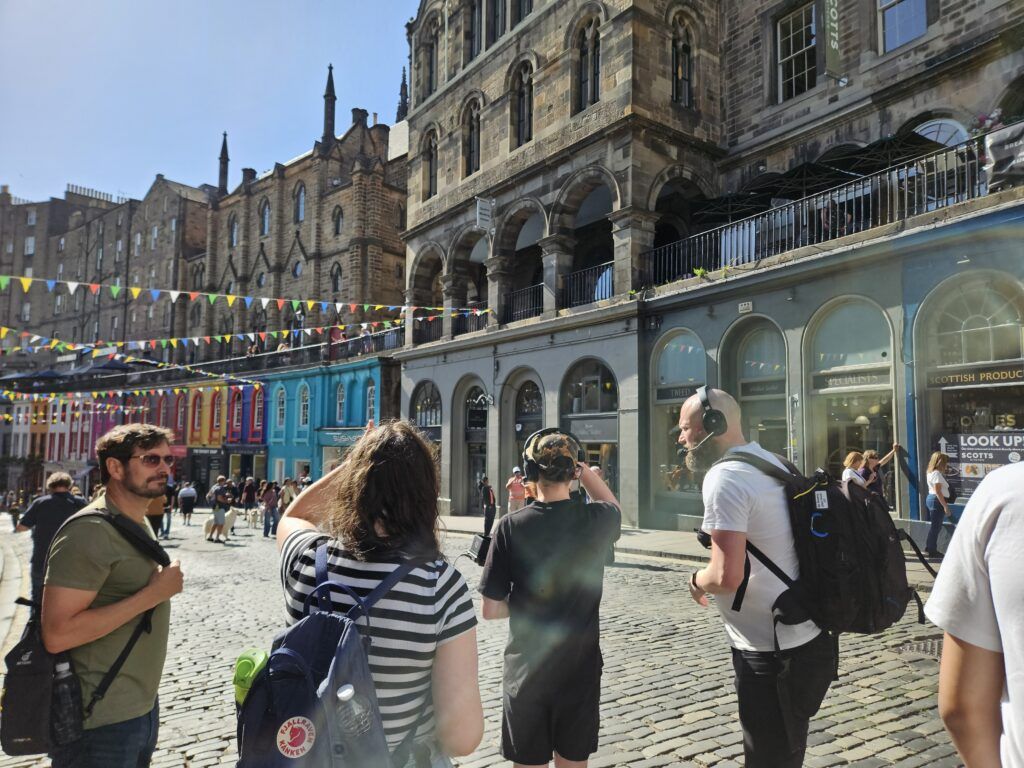
For example, you may find actors in Edinburgh for around £400 per day, while Barcelona can often sit closer to the €500 mark. Rates vary depending on experience, location, how you source the talent, and how you plan to use the finished content.
You also need to think about usage rights. There may be a difference between using the footage on your own website and social media, and using it in paid adverts, TV, radio, or large campaigns.
If you work through an agency, there may also be agency fees. Some agencies have a minimum fee, while others take a percentage once the actor cost passes a certain threshold. If you hire talent yourself through Facebook groups, community pages, or direct listing boards, you may reduce this cost, but you will need to handle more admin yourself.
Photographer or videographer
- A freelance videographer may cost roughly €500 to €1,500+ per day, depending on location, experience, equipment, and what is included.
A production company will usually cost more, especially if they are handling creative direction, editing, project management, grading, music, subtitles, and multiple final formats.
Editing
- A simple short edit may cost a few hundred euros.
Multiple polished versions with revisions, music, colour grading, subtitles, vertical formats, and paid ad versions will cost more.
- Travel
- Makeup or styling
- Wardrobe
- Location permissions
- Extra crew
- Drone operator
- Props
- Meals and refreshments
- Transport between locations
This is why planning matters so much. A well-planned one-day shoot can create months of usable content. A badly planned one-day shoot can burn the budget very quickly and still leave you with footage you cannot really use.
Do not overlook usage rights
This is a very boring part of filming, but it matters.
Before hiring actors, models, photographers, videographers, or voiceover artists, make sure everyone is clear on where the content will be used.
For example:
- Website
- Social media
- Paid ads
- Trade show screens
- Sales presentations
- Partner promotions
- Internal use
- Future edits
Usage affects pricing, especially with actors and voiceover work. Something used organically on your own channels may cost less than something intended for paid advertising across multiple markets.
For website use, organic social media, trade show screens, and sales presentations, agreements are often set for a longer period, such as two to ten years, with a smaller increase on the day rate.
For TV, radio, or wider paid advertising, usage terms are often shorter, and costs are usually higher. In some cases, you can extend them each year, but that should be agreed upon clearly before the work begins.
As an example, a voiceover for five short videos, each around one minute, might cost around £400 for studio recording and use on your website or organic social media. For wider use, such as TV, radio, or paid ads, you might be looking at closer to £1,200 per video for two to five years of usage.
It is important to think about how you will use the content before contacting agencies or freelancers, because this can change the quote quite quickly.
Sound and voiceover are often an afterthought, but they should not be
A lot of operators focus so hard on visuals that they leave sound for last.
That can be a mistake.
Sometimes the best tourism promo video needs no voiceover at all. A well-edited visual story with music and on-screen text may be enough.
Sometimes a voiceover helps tie everything together, especially for website hero videos, brand films, or explainers.
If you do use voiceover, keep it simple. It should sound human, not like a tourism brochure. The best voiceover usually supports what the audience is already seeing rather than overexplaining it.
Also, remember that many clips will be watched silently on social media. Captions and text overlays matter.
There are a few problems that come up again and again.
1. Filming what looks nice instead of what helps people book
Beautiful scenery is useful, but it is rarely enough on its own.
2. Making it too generic
If your video could belong to almost any operator in almost any city, it is not doing enough.
3. Forgetting practical details
Guests want to know how easy the experience feels.
4. Not capturing enough coverage
Editors need more than hero shots.
5. Casting the wrong people
The audience should recognise themselves in the experience.
6. Cramming too much into one final video
One short promo film cannot explain absolutely everything.
7. Treating the shoot as a one-off
A filming day should produce a library of content, not a single asset.
How to get more value from one filming day
This is probably the best piece of advice for any operator on a limited budget: plan one shoot, but think in terms of multiple outputs.
From one well-organised filming day, you could create:
- A 60 to 90-second promo video
- A shorter cut for paid ads
- Website banner clips
- Social reels
- Vertical behind-the-scenes clips
- Stills for brochures or sales decks
- Staff training examples
- OTA or partner-friendly visuals
This is where the return starts to make sense. A good shoot is not just about one finished video. It is about giving your team enough content to use across different channels, audiences, and moments in the booking journey.
Keep it believable
Tourism videos do not need to feel overly polished to work well.
In fact, sometimes the slickest videos are the least persuasive because they feel detached from the real experience. Viewers can tell when something looks too staged, too perfect, or too disconnected from what an actual guest day would be like.
Believable is better than glossy.
Warm is better than flashy.
Clear is better than cinematic for its own sake.
The operators who get the most value from promo filming are usually the ones who understand that the goal is not just to make something pretty. It is to make booking feel easier, safer, and more exciting.
Final thought
A good promo video should help a future guest picture their day before they arrive.
That means showing the experience clearly, naturally, and with enough care that the viewer can imagine themselves stepping into it.
For tour operators, the real win is not just having a nice video on the homepage. It is creating content that makes the experience feel real, easy, and worth booking.
Looking for more marketing ideas?
This article was written by our VP of Marketing, Jessica, as part of our practical marketing advice for tour and activity operators.
From email campaigns and direct bookings to content, customer behaviour and the occasional “why are we still sending this?” moment, we share ideas based on the things tourism marketers are actually working on.
Explore more marketing advice for tour operators →