In the early years, it felt warm and personal. Spare rooms, handwritten notes, and the sense that you were discovering a city through someone who lived there. It was small enough to feel human and big enough to feel exciting.
Then the pace changed. Cities were not prepared for the scale that followed. Homes shifted into full-time short lets. Investors moved in. Neighbourhoods changed almost overnight. By 2024, Airbnb had reached more than 491 million nights and experiences booked, with annual revenue exceeding 11 billion US dollars. That level of activity has consequences, especially when local systems struggle to keep up.
The company is now in a different phase. Revenue is still rising at around 12 per cent year-on-year, but the era of explosive growth has settled. This is why Airbnb is building a second chapter through Airbnb Experiences. Tours, events, workshops, and cultural activities. A move into territory that operators and attractions know well.
The question is not only whether this pivot will work. It is also what it means for the wider industry.
Airbnb did not create housing pressure on its own
The housing debate is often pinned entirely on Airbnb, but the reality is more complicated. Many cities were already experiencing rising rents, limited supply, and heavy investor activity before the platform became mainstream. Short-term letting existed long before digital platforms. It was simply scattered and difficult to monitor.
Recent European data shows that 55 per cent of Airbnb listings and 59 per cent of nights booked were outside historic city centres in 2024. In other words, the impact is not confined to postcard neighbourhoods. The shift is broader and tied to long-term structural issues that predate the platform.
Airbnb’s arrival magnified these pressures because regulation moved slowly. The technology scaled faster than local systems could adapt. The result was a dramatic change with many roots and many contributing forces.
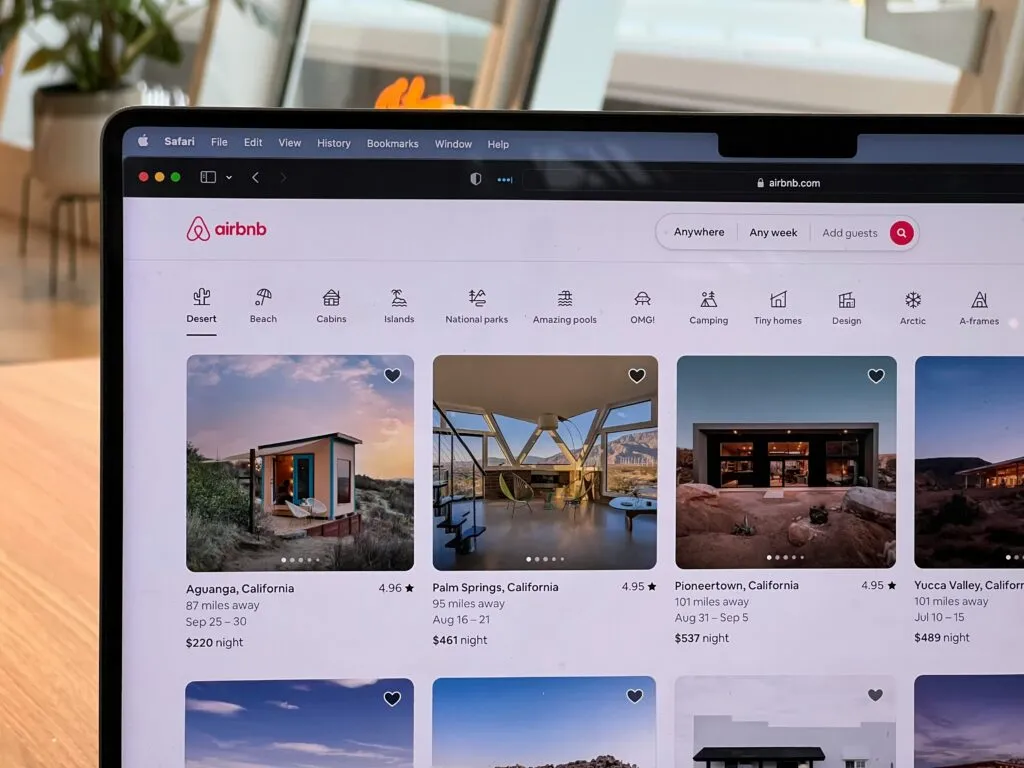
Why Airbnb is looking beyond accommodation
Once a company reaches global scale in a single category, it eventually needs a new growth path. Airbnb now has more than 8 million active listings worldwide. In some cities, the limits of housing regulation are already clear. The European short-term rental market alone was valued at 34.5 billion US dollars in 2022, and forecasts suggest this figure could more than double by 2030. Even so, accommodation growth is steadier now than in the company’s early years.
Experiences offer a different way forward. Housing rules do not constrain them. They fit the original idea of meeting locals. They allow Airbnb to expand its role in the trip planning journey. If you are already booking a place to stay, it feels natural to look for something to do.
Experiences are a difficult market to grow in
Tours and activities are complex behind the scenes. Operators vary in size and professionalism. Safety standards differ across borders. Customer expectations shift quickly. The sector already includes strong specialists who have spent years refining technology, distribution, onboarding, and review systems.
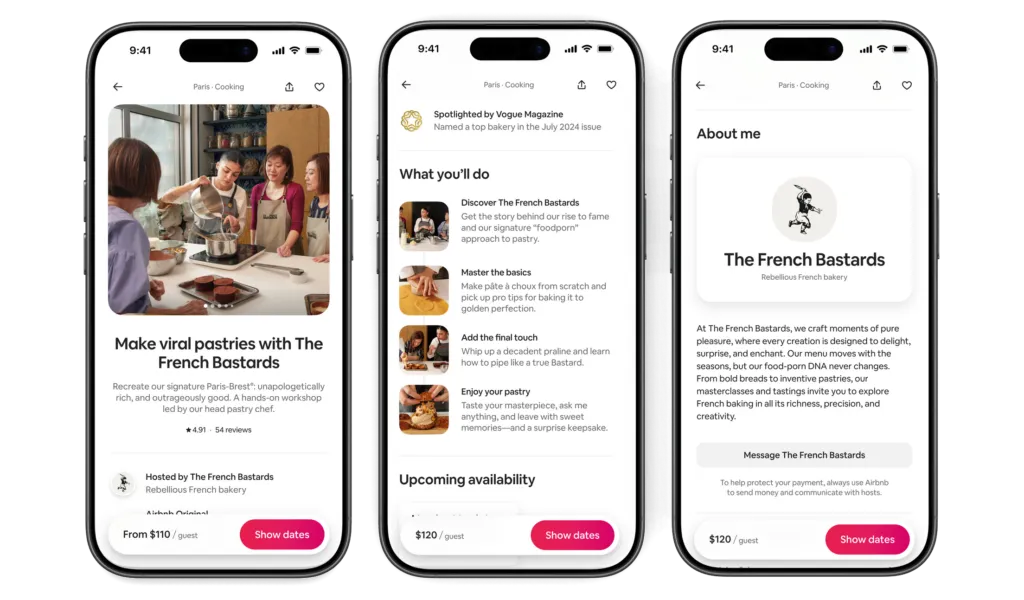
Airbnb has reach, but reach is not the same as depth. Travellers book activities with a level of trust that takes time to build. Airbnb is still seen primarily as an accommodation platform. Changing that perception will not happen overnight.
The trust question
Trust sits at the centre of the entire pivot. People still book accommodation on Airbnb in large numbers, but the emotional tone has changed. Cleaning fees, long instructions, and last-minute cancellations have shaped how travellers talk about the platform. None of this has stopped bookings, but it has softened the early warmth.
Experiences need consistent trust in a way accommodation does not. A host cancelling is frustrating. An operator cancelling an activity while someone is already travelling can derail the entire day. Guests want predictability. Operators want a platform that supports them correctly.
Airbnb is trying to build this trust from a different starting point than it had a decade ago.
Could the shift succeed
It could. Airbnb has brand power most companies would envy. With millions of people browsing accommodation every day, the potential for discovery is significant. Even a small percentage of users engaging with experiences could grow quickly.
Success depends on a few foundations.
- Strong curation
- Clear quality standards
- Practical support for operators
- Visible trust signals for guests
- Experiences that feel meaningful and well chosen
Is it too late
No. It is simply a more mature and competitive landscape than the one Airbnb disrupted in 2008. Accommodation had a clear gap. Experiences have established leaders and sharp customer expectations. The opportunity for Airbnb is not to look like another marketplace. It is to draw on what made the platform compelling in the first place: local knowledge, human connection, and stories.
If the company focuses on those strengths, the shift could work. If it mirrors existing models without adapting them, it will struggle to stand out.
What this means for the wider industry
Airbnb’s evolution reflects a broader pattern across travel technology. Every major platform is expanding into new parts of the customer journey. Operators are navigating higher expectations for clarity, convenience, and communication. Cities are trying to balance the benefits of tourism with residents’ needs.
Airbnb may not reshape travel as dramatically as it once did, but its next moves will influence distribution, partnerships, and customer expectations across the sector. The real question for destinations is not whether Airbnb is good or bad. It is about creating systems that support visitors without overwhelming the people who live there.
That is the part of the story that will matter most in the years ahead.
Want to connect with the top integrations, like Airbnb? Talk to our expert team to learn how you can boost your sales through OTAs.