Selling a seated experience is fairly simple.
Selling a seated experience across multiple showtimes, seat categories, and third-party channels without accidentally creating chaos is where things get interesting.
If you run a concert venue, dinner show, cabaret, cultural performance, or another seated attraction, you already know the booking journey is not just about getting people through checkout. You are managing time slots, ticket types, availability, and guest expectations all at once.
Add OTAs and reseller channels into the mix, and suddenly the question is not just “Can we sell more tickets?”
It is “Can we sell more tickets without breaking the experience?”
The opportunity is obvious
OTAs can help seated attractions reach a wider audience, especially in tourist-heavy destinations where travellers are comparing lots of activities in a short space of time.
That makes them commercially useful. They can help fill quieter dates, support visibility, and introduce your venue to guests who may never have found you directly.

But seated experiences are not the easiest products to distribute.
A walking tour with a single departure and a single ticket type is one thing. A venue with multiple showtimes, different seating areas, premium packages, and guests who care where they sit is something else entirely.
Start with the product structure
Before worrying about channels, start with the basics.
If your own product setup is messy, pushing it out to OTAs will not magically improve it. It will just spread the mess more efficiently.
Operators need to be clear on:
- How many showtimes are they selling
- Which ticket types exist
- Whether seating is reserved by exact seat, zone, or category
- Which packages or upgrades are included
- How much inventory should be available in each area
In short, the product needs structure before it needs distribution.
If a guest cannot easily understand the difference between standard, premium, and VIP on your own website, the confusion is only going to grow once the product is being sold elsewhere too.
Showtimes need to be crystal clear
Showtimes are where seated experiences often become more fragile than other attraction products.
A guest can forgive a lot, but they are usually less forgiving when they arrive for the wrong performance.
That is why operators need to make sure every channel handles:
- The correct date
- The correct start time
- Clear product naming
- Any arrival-time requirements
- Any package differences connected to that performance
This matters even more for venues running several performances a day, or offering slightly different formats across the week.
If one channel says 19:00, another says 19:30, and the guest turns up confused and hungry, nobody wins.
Decide how seating will actually work across channels
This is one of the biggest practical questions.
Not every operator needs the same model. But every operator does need a model.
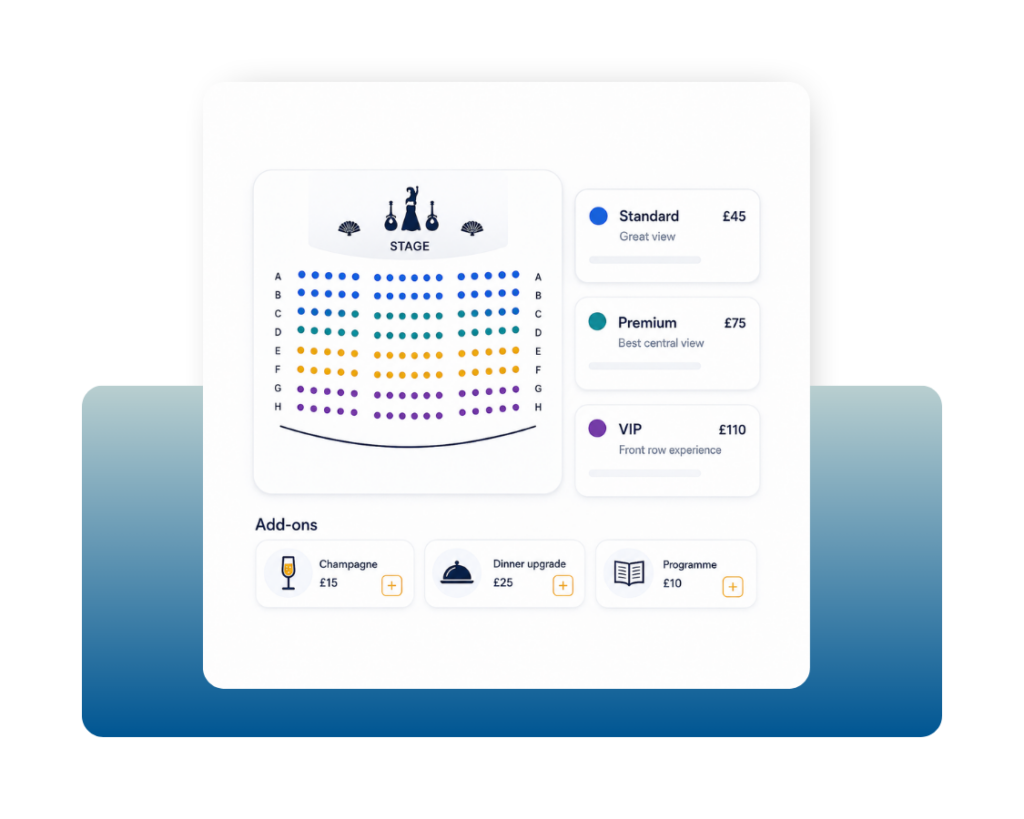
For example:
- Will guests choose an exact seat?
- Will they choose a zone or seating level?
- Will some channels only sell certain categories?
- Will premium areas be available everywhere, or only direct?
- Will upgrades happen at the booking stage, later, or on arrival?
There is no single right answer. The mistake is having no clear rules at all.
For many operators, the sensible approach is to decide which parts of the seating experience need to stay tightly controlled and which can be opened up more widely.
That might mean keeping some premium inventory for direct sales.
It might mean selling zones rather than exact seats on selected channels.
It might mean limiting certain packages to reduce operational friction.
Availability needs to stay accurate
This sounds obvious, but it is where trust gets damaged fastest.
If you sell seated products across multiple channels, availability has to be reliable. Not “usually right”. Not “close enough”. Right.
That includes:
- Seat or category availability
- Showtime availability
- Capacity by performance
- Rules around packages or inclusions
- Any inventory held back for direct sales
A guest who thought they booked premium may arrive to find they did not.
A family who expected seats together may discover that nobody checked properly.
A busy team may end up manually repairing problems that should never have happened.
Do not make the OTA version of the product vague
One common problem is that the OTA listing becomes a watered-down version of the real experience.
The venue might have carefully structured seating levels, package logic, and clear differences between ticket types, but the third-party listing ends up looking like:
- Show ticket
- Premium show ticket
- VIP show ticket
Guests still need to understand what they are buying. If the differences are vague, premium options become harder to sell, and the standard option starts to carry the burden of confusion.
Operators should make sure OTA listings explain:
- What the seating level means
- Whether the guest selects or is allocated
- What is included in each package
- Whether the seats are together
- Any arrival instructions or important restrictions
Think carefully about what to keep for direct sales
Not everything has to be sold the same way everywhere.
In fact, some operators will benefit from keeping certain perks or premium options more visible on their own website.
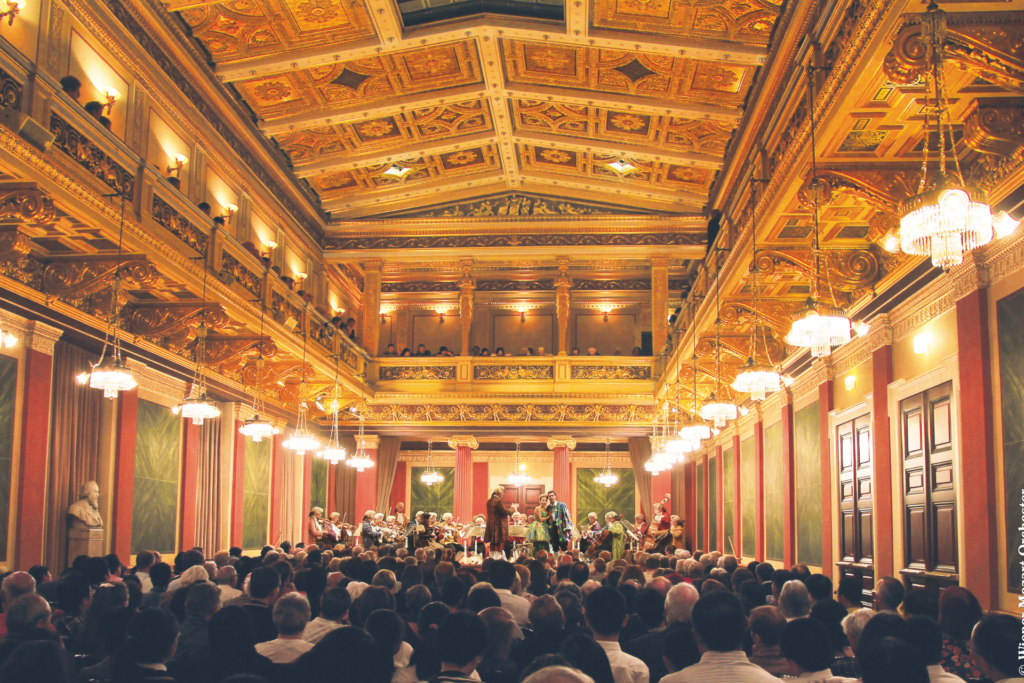
That could include:
- Best-value bundles
- Exclusive premium packages
- The widest seat choice
- Special occasion add-ons
- Better upgrade paths
That does not mean punishing OTA customers. It just means recognising that your direct channel may give you more space to explain the experience properly and sell higher-value options more clearly.
For many operators, the smartest distribution setup is not “everything everywhere in the same way”.
Operations need to match what has been sold
This is where a lot of small channel mistakes become very visible very quickly.
Front-of-house teams need to be able to see:
- Which channel the booking came from
- What showtime was booked
- What seating level or package applies
- Whether the guest selected a seat or should be allocated one
- Any extras attached to the ticket
If that information is unclear, your team ends up improvising in front of the customer. That is stressful for staff and rarely reassuring for guests.
Keep the booking journey believable
This matters more than people sometimes think.
If a guest sees a beautifully described premium experience on one channel, then gets a confusing confirmation, a vague ticket, or unclear arrival instructions, confidence drops.
For seated attractions, the booking journey needs to feel joined up from start to finish.
That means:
- Consistent product names
- Clear showtimes
- Obvious package details
- Reliable seating information
- Straightforward confirmations and vouchers
It is much easier to sell a premium experience when the whole journey feels premium, not just the listing.
What operators really need to get right
If you strip it back, there are five big things operators need to get right when selling seated experiences through OTAs:
1. A clear product structure
Showtimes, categories, and packages need to make sense before distribution begins.
2. Reliable availability
Inventory across performances, seating levels, and channels has to stay accurate.
3. Clear channel rules
Decide what is sold where, and how seating is handled on each channel.
4. Easy-to-understand listings
Guests need to know what they are buying, especially for premium options.
5. Strong operational visibility
Your team needs to see exactly what was sold and how to fulfil it smoothly.
Continue…
If you are building out your setup for seated experiences, it is also worth reading our guide to the booking system checklist for seated attractions and dinner shows and our article on How premium seating can increase revenue without changing the show.
And if you want to talk through how Palisis can support seat maps, showtimes, distribution, and smoother booking journeys for seated venues, contact us.