With the cost of living rising, the economy slowing, and operating expenses creeping up, many tour operators are feeling the pressure to cut prices. But lowering prices isn’t always sustainable—and it can devalue your product in the long run.
So, how can you offer better value to customers while protecting your margins? Here are practical strategies to adapt and stay profitable during a cost-of-living crisis.
Focus on value, not discounts
People may be more cautious about spending, but they’re still willing to pay for experiences that feel worth it. Rather than cutting prices, make sure customers understand the value they’re getting.
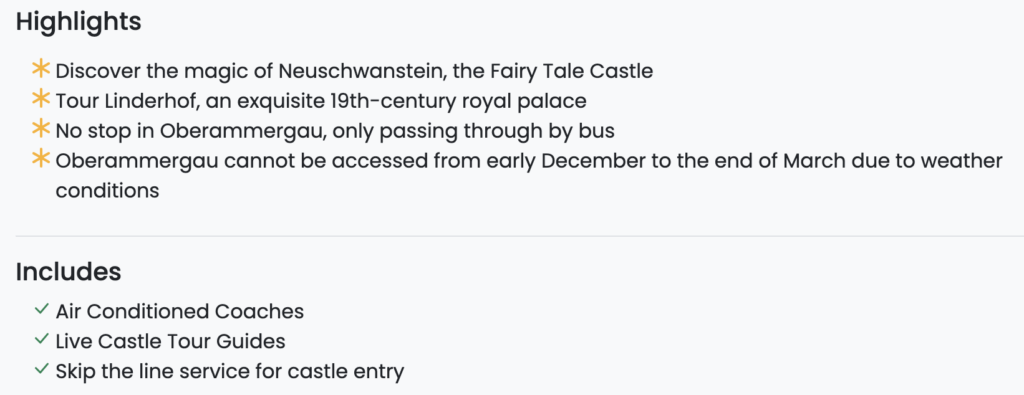
- Highlight what’s included in the price—guided expertise, convenience, exclusive access.
- Show testimonials and reviews that reinforce the quality and uniqueness of your experience.
- Focus your messaging on what makes your tour special (rather than cheap).
Offer flexible booking options
Uncertainty makes people hesitant to book. Offering flexibility can encourage them to commit without fear of losing money.
- Introduce free or low-cost cancellation policies.
- Allow customers to reschedule easily.
- Offer payment plans for higher-ticket experiences.
- Use vouchers to generate revenue and future bookings in the off-season and other slow times.
 Gift voucher with diagonal lines and a place for the image. Universal flyer template for advertising winter sport
Create value-added packages
Rather than discounting a single tour, offer bundles or add-ons that increase perceived value.
- Partner with local businesses to include extras like meals, transport, or attraction tickets.
- Combine tours or experiences into a discounted package without reducing the base price.
- Offer exclusive perks for early bookings or returning customers.
- Work with your DMC partners, who may also be feeling the economic squeeze.
Target domestic and regional travellers
With the cost of international travel rising, more people are looking for experiences closer to home. Domestic tourists can be a reliable market if you position your offer the right way. Plus, your prices might be a bargain to someone who might have budgeted for an international trip.
- Highlight what makes your region unique—even for locals.
- Promote “staycation” experiences that offer an escape without the airfare.
- Tailor marketing and tour descriptions to local interests and concerns, like affordable day trips or family-friendly activities.

Optimise operations to manage costs
Improving efficiency behind the scenes can help protect profitability without affecting the customer experience.
- Review supplier contracts and negotiate better rates where possible.
- Automate admin tasks like bookings, confirmations, and payments to save time and resources.
- Streamline your tour schedules or group sizes to balance quality with efficiency.
- Reduce cart abandonment and optimize your website to turn browsers into buyers.
Communicate openly and build trust
Travellers are aware of the economic climate. Being transparent about your pricing and what goes into your experiences can build trust and justify your costs.
- Share stories about how you support local communities, guides, and suppliers.
- Be clear about what’s included in the price and why it’s worth it.
- Position your business as part of a sustainable, responsible tourism movement.
Reward loyalty and referrals
It’s almost always more cost-effective to keep existing customers happy than it is to attract new customers.
- Create a loyalty programme that offers discounts, freebies, or exclusive experiences for repeat customers. Done right, these will come across as a value-add.
- Encourage word-of-mouth referrals with incentives like gift cards or bonus experiences.
- Engage past customers through newsletters and personalised offers.
Final thoughts
You don’t have to race to the bottom on pricing to stay competitive during a cost-of-living crisis. By focusing on value, flexibility, and efficiency, tour operators can attract cost-conscious travellers without compromising on quality or profitability.
Smart adaptations today will build a stronger, more resilient business for tomorrow.