As 2025 unfolds, travel remains a top priority for consumers across the UK and beyond, but their approach is changing. Travellers are eager to explore, yet many are keeping a closer eye on costs than ever before. Rising living expenses, shifting economic conditions and a renewed focus on value are reshaping how people plan, book and experience their journeys.
The answer? Destination-dupes.
The rise of the “destination dupe”
The term “destination dupe” has exploded in popularity. But what does it mean?
A destination dupe is an affordable alternative to a well-known hotspot, which captures a similar vibe.
63% of US travellers are planning trips to lower-cost lookalike destinations, saving an average of $2,262 per holiday; a trend which is taking hold around the world.
After all, if you can’t afford the Mediterranean, maybe go for the Balkans?
If Iceland isn’t in the cards for this year, perhaps the Scottish Highlands?
Ultimately, as authentic experiences become the centrepiece of people’s travel habits, there is a clear argument to be made for a spur-of-the-moment decision to go off the beaten path to a smaller, more local destination.
What are the top destination dupes?
Balkens
While Spain remains the top destination for UK holidays, recent trends have shown Balken alternatives (Bosnia, Montenegro, Albania) rising by up to near 300% increase versus 2024. Reflecting how it’s becoming more important to travel to the destinations less travelled.
Azores Islands
Why travel so far to Hawaii when the Portuguese Azores Islands are right there? Many travellers are promoting affordability in travel by picking this destination for its cheaper flight and accommodation.
Budapest
The city of Love isn’t so lovely to your wallet… Which is why Budapest has become a top destination dupe for those who want to see beautiful architecture, cute cafes, and soak in the scenery.
 Budapest Donau river waterfront historic yellow tramway view, capital ofHungary
And these are just some of the possibilities! Looking for medieval charm in a walkable city like Prague? Well, perhaps Kraków will fill the gap (without draining your savings). Places like Plovdiv, Bulgaria, will help scratch a similar traveller itch as Athens, Greece, without the bloated crowds from other tourists.
So you get the idea – but what are the main benefits?
Value over luxury
Things are as expensive as they have been for a while, and travellers are feeling the pinch, like everybody else.
30% of travellers expect to reduce their travel budgets, while over 35% plan to spend more than last year – proof that value, not austerity, is driving decisions. Travellers are balancing quality with affordability: they’re looking for the best possible experiences within sensible limits, rather than simply opting for the cheapest deal.
Memories are so deeply lodged at the core of holidays, and younger tourists care more about getting in touch with the vibe of a destination than they do about sitting around a pool in the sun.
Accommodation and transport: longer stays, smarter spending
Many travellers are now opting for longer trips with a lower daily spend. Roughly 30% expect to budget between €1,500 and €2,500 per holiday, while the share planning to spend more than €2,500 has fallen. Travellers are stretching their money further, perhaps by renting apartments instead of hotels, taking local transport, or booking combination packages.
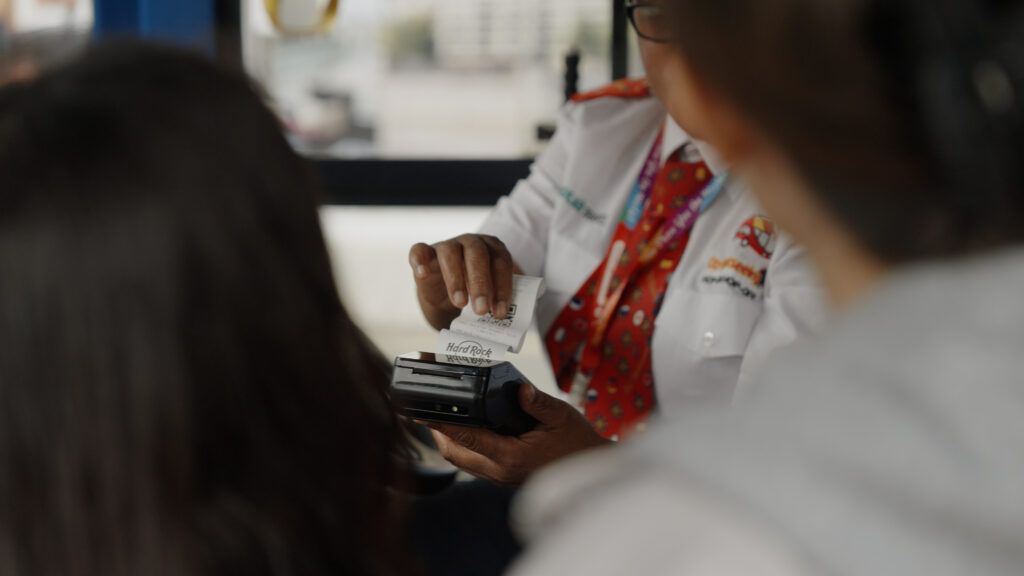
Transport and accommodation remain the largest components of any travel budget. Rising transport and lodging costs are the main reasons for increased trip expenses. These categories are also where travellers most actively seek ways to save, whether through early-bird rates, off-peak travel, or loyalty-based discounts.
How booking technology can help tour operators thrive in a value-driven market
Budget-conscious travel doesn’t mean fewer opportunities for tour operators. Just because customers are looking to save money doesn’t mean that they are skimping out on.
The right booking technology can help operators stay competitive, profitable, and relevant in a market that prizes transparency and adaptability.
- Create flexible, attractive offers
A modern booking system enables operators to create dynamic packages that combine transport, accommodation, and local experiences, appealing to various budgets without compromising on quality.
- Respond quickly to changing demand
With real-time data and analytics, operators can spot booking trends early, adjust pricing or availability, and launch targeted promotions around high-demand or low-cost destinations.
- Show value clearly
Travellers want to understand exactly what they’re paying for. Technology that displays inclusions, sustainability credentials, and upgrade options helps operators demonstrate value and build trust.
- Reach new customer segments
Integrating niche and emerging destinations through a centralised system gives operators access to travellers seeking “destination dupes” or unique, budget-friendly experiences, opening up fresh revenue opportunities.
- Reduce operational overheads
Automation in booking, inventory management, and payment handling helps operators save time and reduce manual errors, ensuring that tighter margins don’t translate into a higher workload.
- Encourage repeat bookings
With integrated CRM tools, operators can track traveller preferences and spending habits, tailoring future offers to each customer’s budget and interests. This builds loyalty even when consumers are more cautious.
In short, booking technology acts as a multiplier for efficiency, flexibility and trust, all essential ingredients for success in 2025’s value-driven travel landscape.
The bottom line
Budget travel is not about spending less, it’s about spending smarter. Travellers in 2025 are prioritising experiences that deliver authenticity, flexibility and fairness. They want reassurance that they’re making informed, valuable choices, and the technology that enables that will win their trust.
For B2B travel technology companies, the opportunity lies in powering this new era of value-driven travel: connecting travellers with the right experiences at the right price, at the right time. By focusing on flexibility, transparency and personalisation, the industry can thrive, even in a market where every penny counts.