When people talk about tourism marketing, they tend to think big. International arrivals, airport ads, and global campaigns. But often, the most valuable audience is right in front of you.
Locals and domestic travellers can be your most loyal, vocal, and cost-effective customers. They know the area, they’re already here, and when someone visits, they’re the ones saying, “You’ve got to try this.”
Becoming that go-to experience, the one locals mention without even thinking, isn’t about going viral or running huge campaigns. It’s about showing up in the places they already look, building trust, and being relevant at the right moment.
Why domestic travellers matter
Relying only on international visitors is a gamble. Flight disruptions, weather extremes, currency shifts, and global instability can throw plans off overnight. Domestic audiences, on the other hand, are stable, predictable, and powerful.
VisitBritain reports that domestic overnight spending in the UK hit £35.3 billion in 2023, and day trips added another £62 billion. This is not a fallback market. It is a core opportunity, one that many operators overlook.
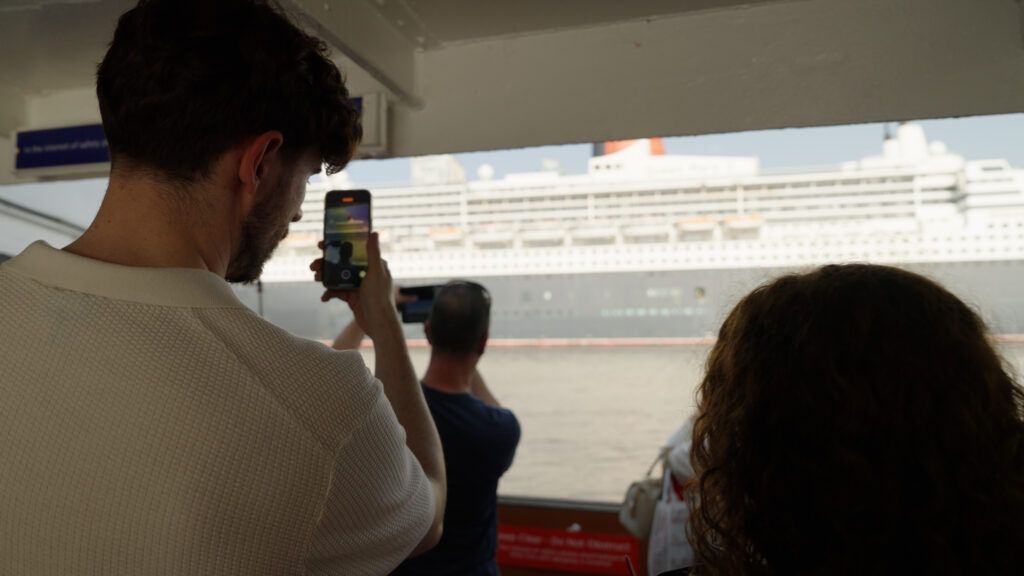
When locals book tours
You might not be on their radar every day, but certain moments turn locals into customers:
- Friends or family visiting
Sightseeing tours are an easy, enjoyable way to show off the city without having to plan the route or do the talking.
- Special occasions
Hen parties, birthdays, anniversaries, retirements. People are always looking for something different to do.
- Mobility-friendly days out
Are you a parent with reduced mobility? A hop-on, hop-off tour or boat trip can be the perfect shared experience.
- Rediscovering their city
A new food tour, history walk, or themed route gives locals a reason to fall in love with where they live all over again.
Where locals go for ideas
To become that go-to activity, you need to be visible where locals are already browsing. And that’s not always TripAdvisor.
Here are some places they check regularly:
- Local media outlets
Sites like Glasgow Times, Manchester’s Secret Media Network, or Time Out London have loyal local followings. A well-placed feature, round-up, or event preview can drive serious traffic and trust.
- Printed city guides and neighbourhood zines
Free local magazines and guides often highlight restaurants, events, and activities. If you run a food tour, why not sponsor a listing in a food and drink guide, or offer a discount code just for readers?
- Google Discover and Apple News
Many people swipe through these curated feeds daily. These platforms pull from local news stories and blog posts, which means your business blog can be surfaced if it’s well-optimised and timely.
- Facebook groups and WhatsApp communities
“What’s on Glasgow,” “Families in Edinburgh,” or “Leeds Hen Do Ideas” might sound niche, but these groups are often the first place people ask for advice. Engage in the comments, share relevant offers, and build name recognition.
- Event newsletters and listings sites
From Skiddle to DesignMyNight, many domestic travellers use event platforms to find ideas for a day out or weekend away. Make sure you’re listed and have compelling descriptions.
How to position your experience as a local staple
Optimise for real search intent
People rarely search “city tour near me.” More likely, it’s “things to do in York with grandparents” or “what to do with visitors in Liverpool this weekend.” Use your website to answer those kinds of questions.
Run relevant, low-cost local campaigns
These don’t have to be flashy. Try:
- “Bring your mum for free this Mother’s Day”
- “Locals ride half price in March”
- “Hen party groups get a private guide upgrade”
These campaigns spark interest, build word-of-mouth, and show that you understand your local audience.
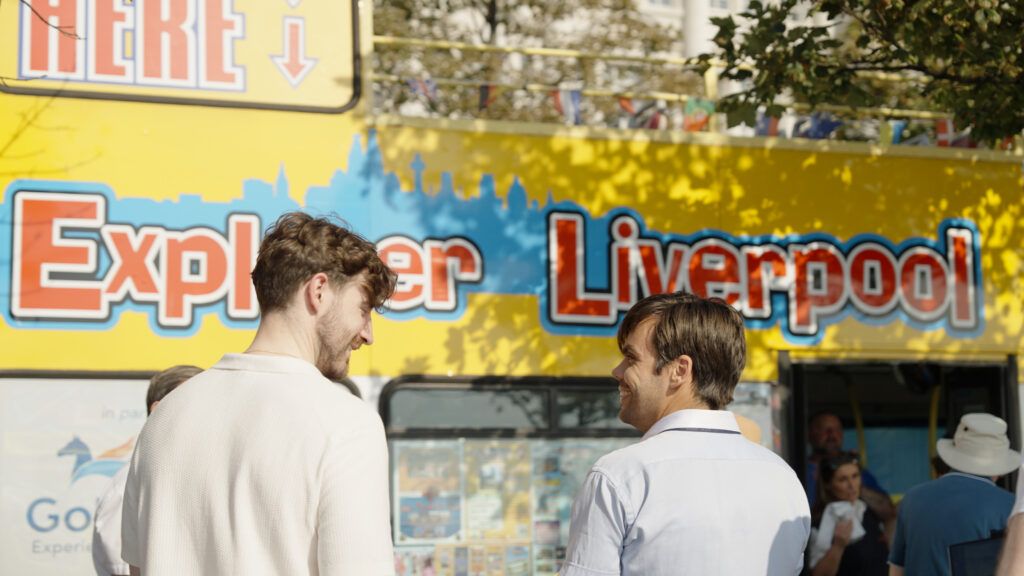
Build referral visibility
People ask their friends and colleagues for ideas. So get in front of the people they ask:
- Hotel concierges and B&B owners
- Student accommodation teams
- Local HR departments are creating staff social events
- Tourism office staff, especially in smaller cities
You don’t need huge distribution; just trusted local advocates.
Pitch to local writers and editors
Writers need fresh content. Reach out with story angles that align with the season or local events. For example:
- “Why Glasgow’s bus tour is the perfect rainy day activity”
- “This new food tour explains the story behind your favourite local dishes”
Make it easy for journalists to say yes. Offer quotes, high-quality photos, and timely angles.
Offer flexibility and immediacy
Locals are less likely to book three months in advance. Make it easy to book on the day, reschedule, or bring an extra friend. The easier you make it, the more likely they are to commit.
Final thought
The most powerful marketing is a personal recommendation. If locals start telling their friends, “You have to do this when you visit,” you’re already winning.
Becoming your city’s go-to tour or activity doesn’t require a giant ad budget. It means showing up where locals are already looking, offering something they’re proud to recommend, and staying part of the rhythm of the city.
We can help you build a stronger local base and boost year-round resilience.
Let’s make your tour the one people mention first.