If you’ve spent any time in travel or ticketing tech, you’ve probably heard the terms API, integration, and webhook used constantly. It’s easy to confuse them because they are often in the same conversation, and sometimes used interchangeably.
They’re related, but they’re not the same thing. And when those differences aren’t clear, projects get scoped loosely, expectations drift, and teams end up dealing with the classic: “we thought it did that.”
So let’s break them down properly, and more importantly, look at how they work together in real-world setups.
The “TL;DR” version
Before going deeper, here’s a quick mental model:
- API → “Can I ask you for something or tell you to do something?”
- Webhook → “I’ll tell you the moment something happens.”
- Integration → “We’ve set everything up so it actually works reliably.”
Each plays a different role.
What is an API?
An API (Application Programming Interface) is the mechanism that allows two systems to communicate.
In travel tech, that communication typically revolves around actions and data like:
- retrieving product and pricing information
- checking availability
- creating bookings
- amending or cancelling reservations
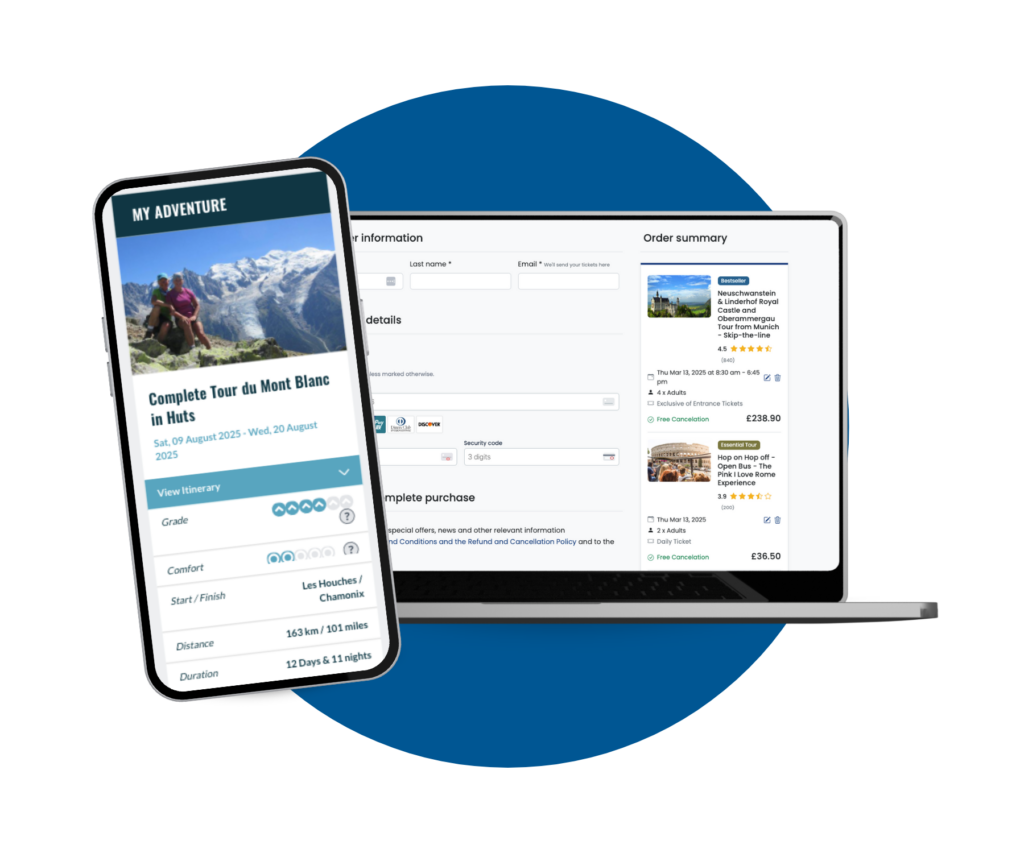
For example, when an OTA asks your system, “What’s available at 2pm this Saturday?”, that request is made through an API.
APIs are essential, they’re what make connectivity possible in the first place. But on their own, they don’t guarantee a smooth or complete workflow. They simply provide the ability to exchange information.
What is an integration?
An integration is not just “having API access.” It’s the full implementation that makes two systems work together properly in day-to-day operations. They sound the same, because they are similar, but they differ in key areas.
A proper integration includes things like:
- mapping products, options, and ticket types between systems
- defining how availability is synced (and in which direction)
- handling cancellations and amendments correctly
- managing errors, edge cases, and partial failures
- testing, monitoring, and ongoing troubleshooting
Example: Your OTA connection is not just “API access”. It’s the whole workflow that keeps bookings and availability accurate without your team having to babysit it.
With 260+ integrations and one of the strongest OTA connection networks out there, you can expand confidently with Palisis.
What is a webhook?
A webhook is an automatic notification triggered by an event.
Instead of one system repeatedly asking another system for updates, a webhook sends a notification the moment something changes.
For example:
- a booking is created → trigger a confirmation email
- a booking is updated → update reporting or manifests
- a booking is cancelled → notify downstream systems immediately
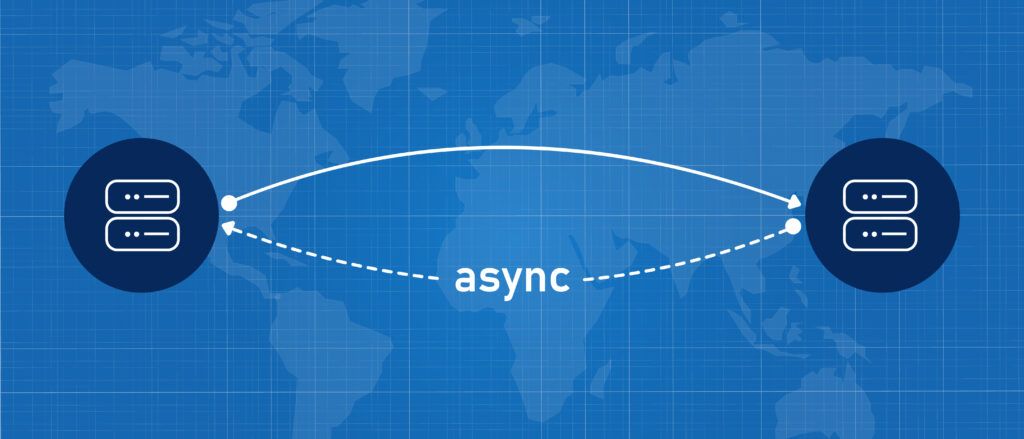
This “push” model means you don’t have to constantly poll for updates, which reduces delays and unnecessary API calls.
With Palisis, you can set up as many webhooks as needed, with an additional upgrade – you can now send multiple capacity webhooks per channel. Think of this as the final puzzle piece: one product, many endpoints, all kept in sync.
In fast-moving environments, especially where real-time accuracy matters, webhooks are critical.
API vs Webhook: the key difference
The distinction comes down to how communication is triggered:
- API → request-based
“Give me the latest data.”
- Webhook → event-based
“Something just happened—here are the details.”
Most robust systems use both. APIs handle on-demand actions, while webhooks keep everything in sync as changes happen.
What do you actually need?
From an operator’s perspective, the answer depends on what you’re trying to achieve.
If you want to display products elsewhere, build a custom booking flow, or pull data into reporting tools, APIs are essential.
If you need to react instantly to changes, sending confirmations, updating manifests, or triggering alerts, webhooks become just as important.
But if you’re selling across multiple channels and want everything to stay accurate without manual oversight, what you really need is a strong integration tying everything together.
That’s what ensures:
- availability stays consistent across channels
- bookings don’t fall through the cracks
- cancellations and amendments are handled cleanly
- your team isn’t stuck fixing issues manually
Questions worth asking any supplier
Not all “integrations” are created equal, so it’s worth digging into the details:
- What exactly is integrated, and what isn’t?
- Is availability synced live, or managed through allocations?
- What happens if a booking fails halfway through?
- How are cancellations and amendments handled?
- Are webhooks available for booking events (created, updated, cancelled)?
- How are issues monitored and troubleshooted?
The answers to these questions usually tell you more than any feature list.
The bottom line
APIs, webhooks, and integrations aren’t interchangeable, they’re complementary.
- APIs enable systems to communicate
- Webhooks provide real-time updates
- Integrations make the whole workflow actually function
Once you separate those concepts, it becomes much easier to plan work, compare suppliers, and reduce the “manual glue” your team ends up doing.
Want to learn more? Reach out to Palisis to discuss how our tech can help you boost your business