You’ve probably seen the Instagram video doing the rounds that claims there’s a “most expensive” hour to book a holiday (9–10am) and a “cheapest” hour (4–5am), based on booking data. Watch the Instagram reel.
Maybe those exact minutes won’t hold true for every trip. Even big travel reports spend a lot of time debunking “one weird trick” myths about booking.
But the psychology behind it absolutely matters for your world too.
Because when someone buys a hop-on, hop-off pass, a ferry ticket, a sightseeing tour, a walking tour, or a seat at a tourist concert, they’re not only thinking about price.
They’re thinking: “Will I feel like I got a great deal when this actually happens in real life?”
And that feeling is something operators can design on purpose.
Why “deal” is a feeling, not a discount
Most guests are trying to avoid two painful outcomes:
- Feeling like they overpaid
- Feeling like they got caught out (Wrong place, wrong time, confusing rules, sold out, no flexibility)
That lines up neatly with loss aversion. People feel the pain of a loss more strongly than the joy of an equal gain.
So if your ticket is clear, fair, and low-stress, it can feel like a great deal even if it’s not the cheapest option on the page.
What guests are thinking, in situations your customers will recognise
1. “I’m booking this on my phone. Please make it easy.”
Experience bookings are increasingly happening online and on mobile. Arival has reported that online booking surpassed 50% in 2023, with 28% of activity travellers booking on mobile.
Hop-on, hop-off reality: Someone is standing at a stop, checking times, comparing 24h vs 48h, and trying not to look like the tourist who doesn’t know what they’re doing.
Make it feel like a deal by removing effort:
- Put the three biggest “decision answers” beside the price: Routes covered, Frequency, and where it starts
- Make ticket differences obvious: “24 hours from first scan” vs “calendar day” (Whatever your rules are, say it plainly)
- Add one confidence line: “Start at any stop” or “Mobile tickets accepted”
If they can understand it in 10 seconds, they feel smart. If they have to scroll and guess, they keep shopping.
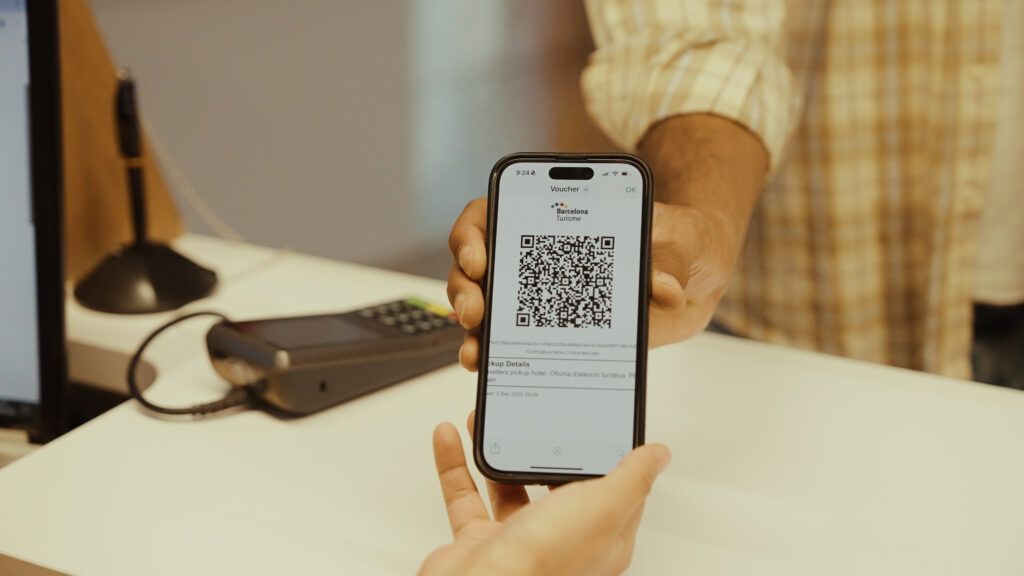
2. “I don’t want to lose time on my holiday.”
Tours and activities reality: Guests worry about missing the guide, being at the wrong meeting point, or spending 20 minutes stressed and embarrassed.
Booking windows for experiences can be short, and a meaningful share of travellers book close to the day (or even the same day), which means less planning time and more reliance on clear instructions.
Make it feel like a deal by protecting their day:
- Meeting point info that is idiot-proof: Map pin, Landmark, Photo, and “What to do if you’re late”
- A simple Plan B: “If you’re running late, call or message us here”
- Fast check-in: Scan and go, no awkward queues or printing
If the day runs smoothly, they leave thinking, “Worth every penny.”
3. “What if we’re late? What if plans change?”
Ferry reality: Families, school groups, and day-trippers have more variables than they’d like. Traffic, weather, kids, a slow lunch.
Make it feel like a deal by selling fairness and flexibility:
- Put the flexibility promise in the booking flow, not hidden in a help page
- Offer a “calm upgrade” instead of a discount: Flexible return, Priority boarding, Easy change to a later sailing (If you can support it)
- Be upfront about capacity rules so it feels fair, not sneaky
People will often pay more if they feel protected from regret.
4. “Please don’t make me choose between 12 ticket types.”
There’s a well-known study by Sheena Iyengar and Mark Lepper showing that more choice attracts attention, but fewer options can lead to more purchases.
Hop-on, hop-off and sightseeing reality: If you’ve got 10 variants (24h, 48h, family, flex, premium, add-on bundles, day pass, evening pass…), a lot of guests freeze.
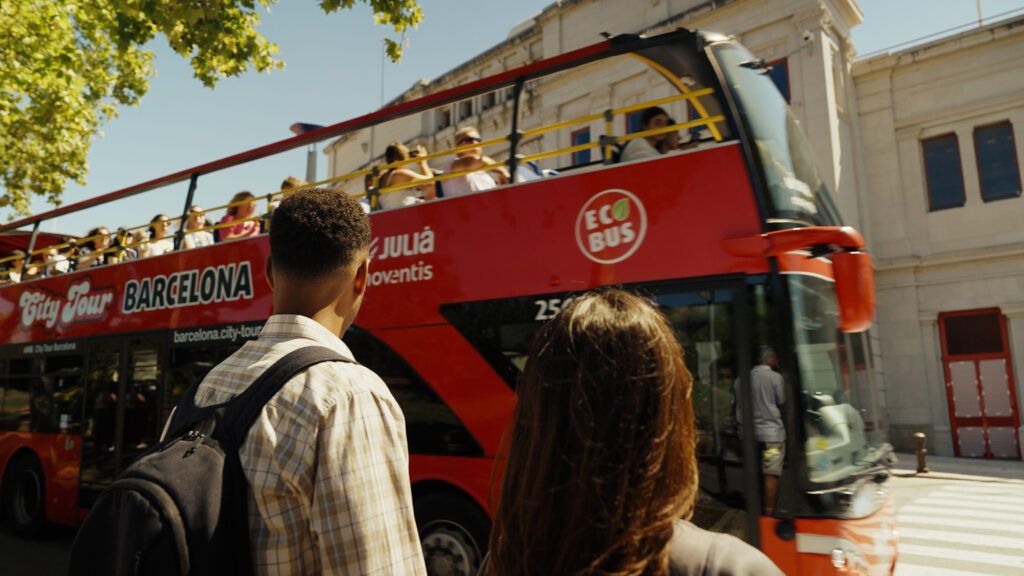
Make it feel like a deal by simplifying choice:
- Offer three clear options: Best value, Most flexible, Premium
- Label them by outcome, not internal ticket logic
- Keep edge-case tickets available, but not front and centre
The goal is not fewer tickets. It’s fewer decisions.
5. “Are these seats going to be good?”
Seated tourist shows and music concerts reality: A seat is emotional. People fear a blocked view, a bad angle, or feeling like they got the rubbish category.
Make it feel like a deal with transparency:
- Show categories visually (Even a simple graphic helps)
- Use plain labels: “Closest”, “Best atmosphere”, “Best value”
- Add one fairness line: “Seats allocated within your chosen category”
When people understand what they’re buying, they stop obsessing over whether they got played.
The “Great deal” playbook for hop-on hop-off, ferries, tours, etc.
1. Give guests a smart default
Most people want to pick the sensible option and move on.
Example structures
- Hop-on, hop-off: “Best value” is your 24h pass (Plus one meaningful inclusion), “Most flexible” adds easy changes, “Premium” is 48h plus a bundle
- Ferries: “Standard” vs “Flex return” vs “Priority boarding”
- Tours and activities: “Standard” vs “Free reschedule” vs “Small group”
- Seated shows: “Best value” category clearly explained, plus an easy upgrade path
This is not about pushing expensive tickets. It is about helping guests feel confident quickly.
2. Turn peak-time pressure into calm reassurance
That Instagram video works because it taps into a familiar feeling: a morning rush means higher pressure, more people searching, and greater urgency.
Your version of “morning rush” might be:
- Lunch breaks when people are scrolling
- Evenings when families plan tomorrow
- Weekends when everyone is booking the same thing
As the morning booking window becomes more important it is crucial to capitalise on these changing booking behaviours.
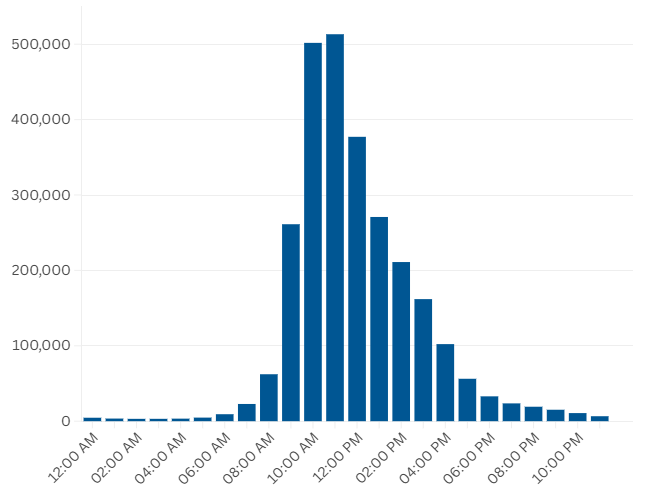
During those moments, don’t add complexity. Add reassurance:
- “Free cancellation” or “Easy reschedule” beside the price (If true)
- Clear rules in one sentence
- Meeting point and check-in info visible before checkout
3. Create deal moments with perks, not constant discounts
Discounting trains guests to wait. Perks feel like a win without wrecking your pricing.
Perk ideas that fit your customers
- Hop-on, hop-off: Kids go free periods, extra route included, or a simple add-on bundle
- Ferries: Priority boarding, flex return, or a time-window upgrade
- Tours: Free reschedule, bonus stop on quieter departures, smaller group cap
- Seated shows: Better category upgrade, drink add-on, programme included
The perk should solve a real fear: Effort, uncertainty, time loss, embarrassment, or regret.
4. Make availability feel fair, not manipulative
Scarcity is real in your world (Capacity, seating, departures). The trick is how you communicate it.
Calm and specific beats panic every time:
- “Limited seats in this category” (Calm)
- “Only 2 left!!!” (Stressy and distrusty)
Also, distribution shapes perception. In 2024, Arival reported that OTAs accounted for around one-third of bookings in the tours, activities, and attractions sector.
If a guest sees inconsistent rules, availability, or confusing information across channels, the “deal feeling” disappears quickly.
Are you giving guests the “Great deal” feeling?
Before you run a discount, check this:
- Can a guest understand the ticket in 10 seconds?
- Are ticket differences obvious without scrolling?
- Are the rules simple, fair, and placed where people actually look?
- Is meeting or boarding info idiot-proof?
- Is there a “Most flexible” option for nervous bookers?
- Can someone explain why they chose this option in one sentence to their partner or group chat?
If you can tick these off, you’ll sell more even at full price, because guests feel confident.
Closing thought
A great deal is rarely about the lowest number. It is about leaving the experience thinking: “That was smooth, I knew what I was buying, and I’d book it again.”
That is positioning. And it is something you can build into your ticketing, messaging, and the way your booking flow behaves on a busy Tuesday night when half your guests are buying on their phones.
Want help on optimising your booking strategy? Contact Palisis’ expert team to discuss your business requirements and build a plan.
And if you want to learn more about booking behaviours – download your copy of our State of the Industry 2026 report!