“Tariff” is probably a word you have become very familiar with this year… And, as of writing this, it looks like its not going away anytime soon.
The travel industry doesn’t exist in a bubble. Economic shifts, government policies, and global trade tensions all have a direct impact on tourism, and the tourist industry is often the first and hardest hit by global economic upsets.
In 2025, tariffs and trade wars are back in the spotlight, U.S. President Donald Trump has reintroduced aggressive trade policies, some of which are directed at traditional trading partners and allies like Canada, Mexico, and the E.U., sparking concerns across multiple industries—including Tourism.
With tariffs driving up costs on everything from fuel to imported goods and potential retaliatory trade measures affecting international relationships, tour operators need to understand how these economic shifts could impact their business and how they can adapt.
How tariffs impact tour operators
Higher costs for … Almost everything
While tariffs are typically restricted to specific industries, that’s not really how things are shaking out just now. So costs are dramatically rising across the board; Hotels, food and drink, and fuel.
When fuel costs rise, so do airline tickets, rental car rates, and transportation expenses for tour operators, particularly vehicle-based ones like hop-on hop-off tours and boat tours. Higher airfare could lead to reduced international travel, while increased transport costs may require tour companies to adjust pricing strategies.
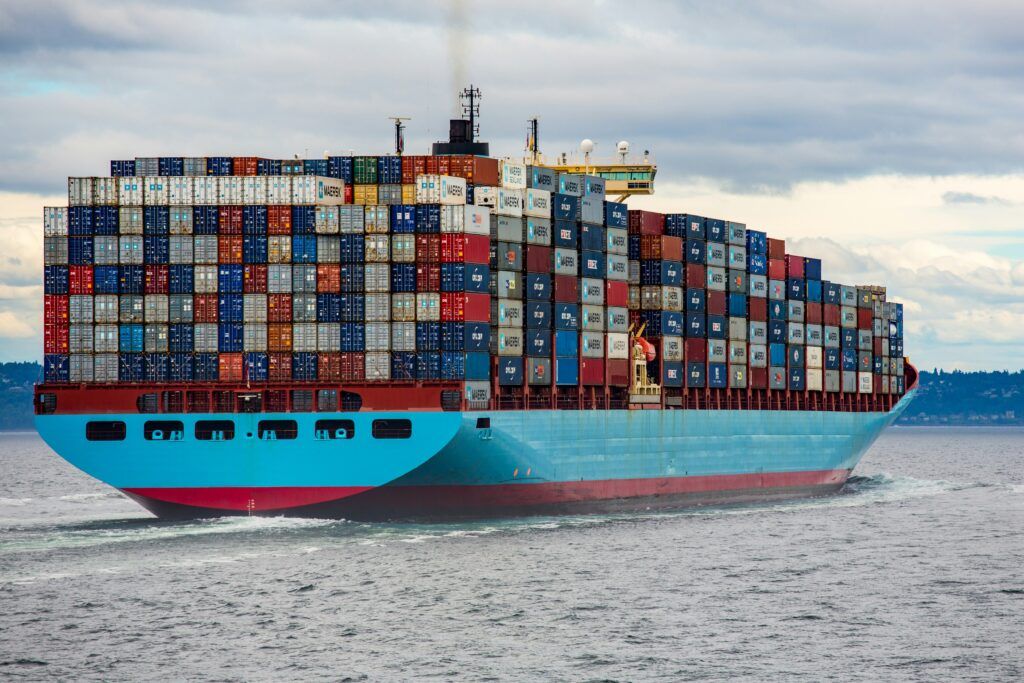
Increased prices on imported goods and services
Luxury hotels, high-end dining, and travel experiences often rely on imported goods—from premium wines to foreign-brand vehicles used for guided tours. More affordable alternatives depend on cheap, mass-produced, imported goods to reduce overhead. The rising costs of all foreign goods make the travel experience more expensive at every price point. This will make customers more price-sensitive and squeeze the margins for business owners.
Retaliatory tariffs affecting inbound tourism
Trade wars don’t just impact what a country imports—they also affect what it exports. With many other countries imposing retaliatory tariffs in response to U.S. policies, international travel to the U.S. could decline – as well as Americans looking to go abroad. Fewer international tourists mean reduced bookings for tour operators, especially those catering to European and Asian visitors who may be discouraged by economic uncertainty and increased costs.
Currency fluctuations and economic uncertainty
Trade wars can lead to unpredictable currency fluctuations, making international travel either more expensive or more appealing, depending on exchange rates. A weaker local currency may make certain destinations more attractive to foreign travellers, while a stronger one could deter international visitors.
Possibly the biggest impact of tariffs isn’t travel industry-specific. The general economic instability and uncertainty that tariffs can produce will hit all businesses and consumers. Tourism and travel aren’t necessities, and when times get tough economically, they’re one of the most obvious places to cut spending.
How tour operators can adapt
Diversify target markets
Relying on one primary market can be risky when trade disputes arise. Expanding marketing efforts to different regions can help operators remain resilient. If inbound U.S. tourism declines due to tariffs, focusing on domestic travellers or targeting less-affected regions could help offset losses.
If American visitors make up the bulk of your customer base, think of how you can attract more diverse clientele.
Adjust pricing strategies
With rising costs, tour operators need to carefully balance profitability and affordability. Offering tiered pricing, flexible packages, or value-added experiences can help maintain appeal without deterring price-sensitive travellers.
Strengthen local partnerships
If tariffs make imported goods more expensive, working with local suppliers can help control costs. Tour operators can collaborate with domestic food producers, transportation services, and experience providers to reduce reliance on international imports.
Highlight value and experience over cost
Tourists are still willing to spend on meaningful experiences, even during economic uncertainty. Emphasising unique, high-quality experiences that justify the price—rather than just focusing on affordability—can keep demand strong. It could be that tariffs drive a demographic shift among visitors as only wealthier tourists are able to afford the added costs.
Trade policies can shift quickly. Tour operators should stay updated on tariff changes and economic forecasts, allowing them to adjust pricing, marketing, and operational strategies in real time.
Seek out up-to-date information from reputable sources. I As small business owners, operators should stay informed and engaged with policies that directly impact their livelihood.
Understanding the real impact of tariffs
There’s often a misconception that tariffs primarily impact the targeted country, but in reality, they tend to raise costs for domestic businesses and consumers. Since tariffs increase the price of imported goods and services, tour operators may see higher costs for essentials like fuel, vehicles, or hospitality supplies.
Understanding how these price shifts affect business operations allows operators to adjust their pricing strategies, manage supplier relationships, and communicate value to customers.
The big picture
The current economic climate continues to develop. And it can be tricky to predict exactly what decisions are going to be made next – which is unfavourable for any business, and certainly can damage long-term investment.
However, while tariffs and trade wars create economic challenges, they also offer opportunities for tour operators who can adapt and innovate. By diversifying markets, strengthening local partnerships, and focusing on high-value experiences, businesses can navigate uncertainty and continue to thrive.
You might find some amazing local partners that you never realised!
As global trade tensions evolve, staying informed and flexible will be key to maintaining success in the travel industry.