A well-crafted “secret spots” article can be great content for tour operators. Spilling best-kept secrets positions you as a local expert, builds trust with your audience, and attracts travellers who are looking for more than the usual tourist experiences. It’s a good way to differentiate your tours and reach demographics who might be more receptive to interesting travel writing than a glitzy ad campaign.
Here’s a little more about how and why to write your own “secret spots” article.
Why secret spots content works
People love to feel like insiders. Sharing lesser-known attractions and hidden gems taps into travellers’ desire for unique, authentic experiences. This is especially for millennials, Gen Z, and high-income tourists who prize authenticity and exclusivity.
Millennials and Gen Z often seek out Instagram-worthy locations and experiences that feel personal and off the beaten path. They want stories to tell and photos to share that set them apart from the crowd.
High-income tourists are often well-travelled and looking for experiences that feel exclusive and bespoke. A “secret spot” offers them a sense of discovery and insider access.
Local knowledge and insider tips are also increasingly valuable in the age of online reviews for everything and AI-generated marketing content. People are searching for personal, curated recommendations—something algorithms can’t always deliver.
Best practices for a “secret spot” article
Share places that reflect your destination’s character
Choose locations that tell a story about your city or region. Whether it’s a hidden cafe, a little-known hiking trail, or an under-the-radar gallery, these places should connect travellers with the local culture and history. Lead with the story, as that’s often what makes the place special.
Keep it authentic
Seasoned travellers can sniff out gimmicks and tourist traps. If a “secret spot” feels touristy or overhyped, they’ll move on. This is why some of the best travel writers deliberately keep a low profile, so as not to cloud their reportage by attracting special treatment.
To help visitors have that real, untainted experience, focus on places that locals genuinely enjoy, and provide honest insights about why they’re worth visiting.
Offer practical details
Help your readers turn inspiration into action. Include directions, opening times, the best times to visit, and tips for making the most of the experience. Bonus points if you share local etiquette or how to be a respectful visitor.
Use great visuals
Photos are key, especially for younger audiences. If you can, share original images or, better yet, social media-optimized videos, that highlight the spot’s atmosphere without making it feel overcrowded or staged.
Examples of secret spot articles, and why they work
Below are some excellent examples of tour operator articles that highlight secret spots, along with insights into why they’re so successful:
- Walks of Italy – “Alternative things to do in Rome“
- Why it works: This article highlights unique experiences in Rome, focusing on alternatives to the typical tourist attractions. It’s great because it offers fresh ideas that speak to travellers looking for something special beyond the usual routes.
- Hi Friend, It’s Laura – “Off the beaten path: Hidden gems in London“
- Why it works: While not from a tour operator, this article does a fantastic job of showcasing lesser-known spots in London. It stands out because it uses original photos, feels authentic, and is framed around the idea of “side missions” for visitors. This is the kind of content that works well for tourists looking for a personal, local perspective.
- Original Berlin Tours – “Uncover Berlin’s Hidden Gems: A Free Walking Tour“
- Why it works: This article is rooted in a specific tour, promoting the experience of exploring Berlin’s lesser-known gems. The article’s strength lies in its focus on free, authentic experiences, which can appeal to a broader audience. It’s practical and promotes the tour while also providing value to potential customers.
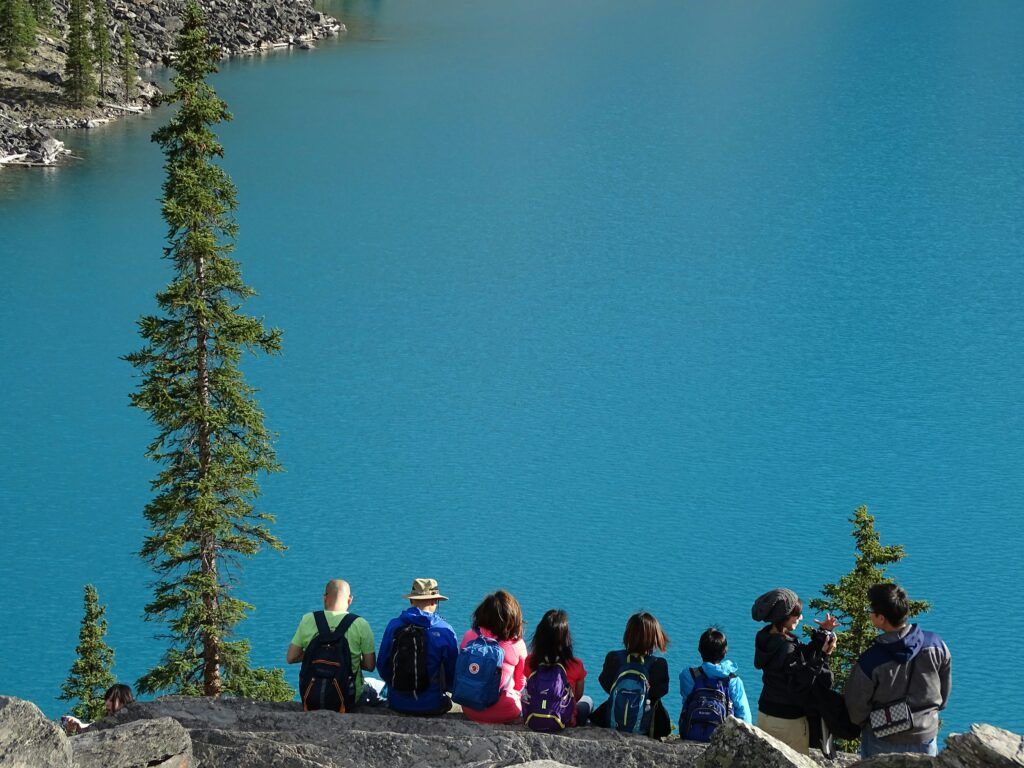
As a tour operator, you have the chance to offer these experiences in a responsible way. Small-group tours and private experiences can introduce travellers to lesser-known places without overwhelming them.
By focusing on authenticity, you’re not just promoting your business—you’re helping preserve your destination’s heritage and culture. Highlight local businesses, artisans, and guides. Tell the stories that make your region unique.
The risk with promoting secret spots is that they stop being secret. Mass tourism can damage fragile destinations and alienate local communities. This can come with intense backlash, as we’ve seen in Spain in recent years. It’s unlikely that a single blog post is going to spoil your secret spot, but you should be aware of how promoting “best kept secrets” can lead to overexposure once the secret is out.
Limit group sizes and offer intimate experiences rather than mass-market tours.
Educate travellers about how to visit responsibly. Include guidelines in your article about respecting local customs, preserving nature, and supporting local businesses.
Rotate locations in your content and tours so you’re not sending too many people to the same place.
A recipe for your “best secret spots” article
- Pick 5-7 places that are genuinely under the radar—no clichés.
- Tell the story behind each spot. Why is it special? What’s the history?
- Be honest about accessibility. If it’s hard to find or requires effort, say so—some travellers love a challenge.
- Include stunning visuals that capture the spirit of each location.
- End with a call to action, such as booking a tour that includes these spots or signing up for your insider newsletter.
Final thoughts
A “best secret spots” article is more than clickbait—it’s a chance to share your knowledge and passion, attract the right kind of travellers, and promote sustainable, meaningful tourism.
As a tour operator, you’re perfectly placed to introduce visitors to the places that matter most to your community. Use that position to create experiences—and content—that benefit everyone.