The travel industry has always thrived on storytelling—on helping people see the world in new ways. But what happens when we can literally layer new stories over the places we visit?
Augmented reality (AR) has been on the radar for years, often grouped with futuristic tech that sounds impressive but rarely makes it past the pilot phase. That’s starting to change. With smartphones in every pocket and AR platforms becoming more accessible, tourism is one of the industries most likely to benefit.
But before you start layering digital dinosaurs over your walking tour, it’s worth asking: is this genuinely the future, or just another shiny add-on?
Let’s take a closer look.
Why now?
For years, AR felt like a gimmick—something you’d see at a trade show or on a museum app you forgot to download. But the landscape has changed.
- 72% of travellers say they’re more likely to book with companies that offer interactive or personalised digital experiences (Accenture, 2023)
- 49% of Gen Z and 46% of Millennials are drawn to brands that use augmented or virtual reality content (Deloitte)
It’s not just about attracting younger travellers, either. As self-guided and on-demand experiences grow in popularity, AR offers a way to add depth without adding staff. And unlike virtual reality, which requires you to escape the real world, AR enhances it—making it a natural fit for place-based experiences like tours, walks, cruises, and museums.
Where it’s already working
Museums and galleries have been quietly leading the way. MoMA’s app lets you scan artwork for extra details and artist interviews. The Smithsonian launched AR dinosaurs that roam through the Fossil Hall. The Louvre Abu Dhabi used AR to reveal hidden sketches behind famous paintings.
These aren’t high-tech spectacles. They’re simple, smart tools that add value without overwhelming the visitor.
Why does AR work well here?
- The setting is fixed and easy to map
- Visitors arrive ready to learn
- Museums already have a wealth of content that can be repurposed digitally
It’s a modern answer to the old “Do Not Touch” sign. You can’t touch the painting—but your phone can show you the story behind it.
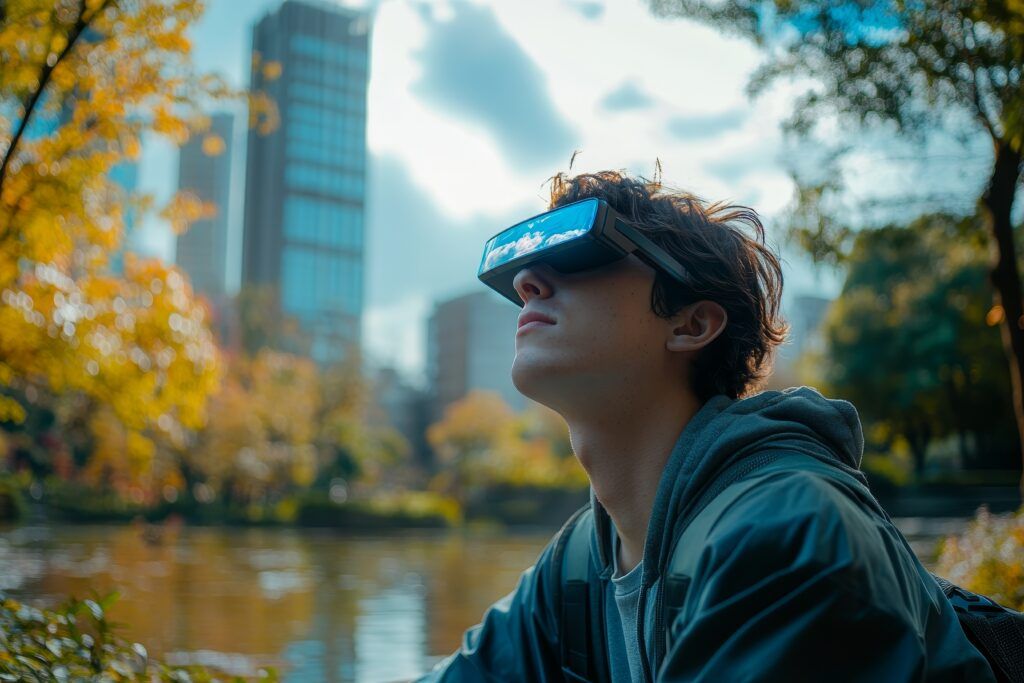
Could it work for tours and activities?
Yes, but with caveats.
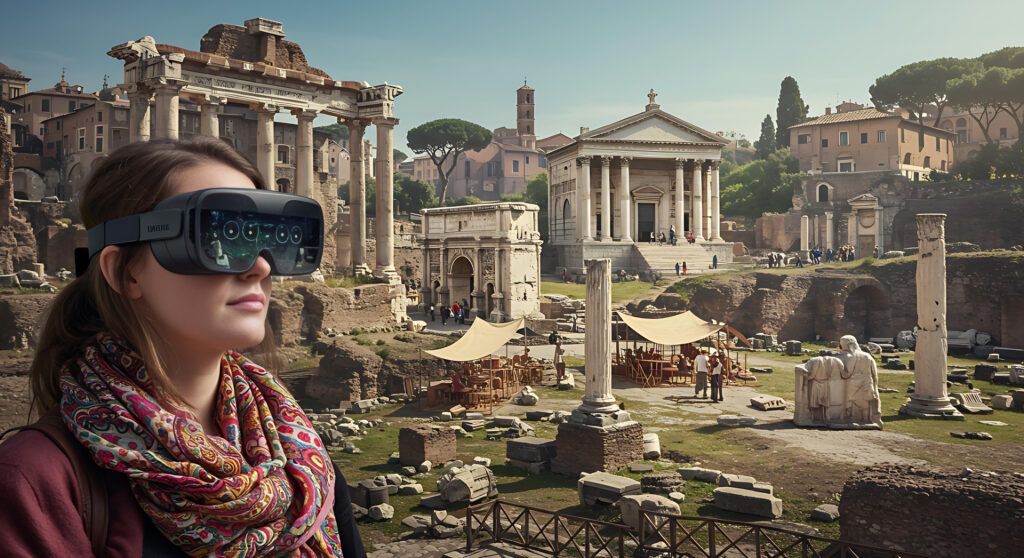
AR in tours isn’t about creating a fully digital experience. It’s about adding a new layer for guests who want to go deeper. That could be a video interview with a shop owner on your food tour, a time-lapse of a mural being painted, or a short audio story triggered by GPS.
It won’t replace your guides. But it can help guests explore in their own way, at their own pace.
Think about the range of people on your tours:
- The teenager who’s half-listening and half-scrolling—they’ll tap into AR content if it’s engaging
- The introvert or neurodivergent guest who prefers to hang back and take things in quietly
- The superfan who wants every detail and would happily watch extra videos if offered
Even if only a few guests use the AR tools on each tour, it can still be a powerful differentiator—a small extra that makes you more memorable.
But is it a gimmick?
Let’s be honest: it can be.
Not all AR is good AR. If the content isn’t useful, relevant, or well-timed, it becomes a distraction. It needs to feel optional, seamless, and genuinely helpful—not a tech demo.
There’s also the issue of upkeep. Creating AR content takes effort, especially if you want it to stay fresh and reflect what’s happening on the ground. And not every guest wants to use their phone throughout a tour—they’re there to be present, not glued to a screen.
So no, AR won’t suit every experience. And it won’t transform a mediocre tour into a brilliant one. But when it’s used to complement strong storytelling, it can be a clever, memorable addition.
What will determine whether it lasts?
Like most things in tourism, it comes down to:
- Usefulness – Does it genuinely enhance the experience?
- Simplicity – Can guests access it without needing an app store download or a 5-minute tutorial?
- Feedback – Are people engaging with it and leaving better reviews?
- Return on effort – Does it drive more loyalty, more referrals, or more sign-ups?
Done well, AR doesn’t just create a better experience—it creates more ways to connect with your guests and stay in touch after the tour ends.
Final thought
AR won’t be for everyone. But it’s not a gimmick, either—not if it’s used thoughtfully.
The future of travel isn’t about adding tech for the sake of it. It’s about helping people connect more deeply with places, stories, and people.
And sometimes, that means layering in something new.