There’s growing frustration in the tourism industry over a simple but significant issue: operators spend time and money building great experiences, only to have someone else run ads on their keywords or phrases, without even offering the same product.
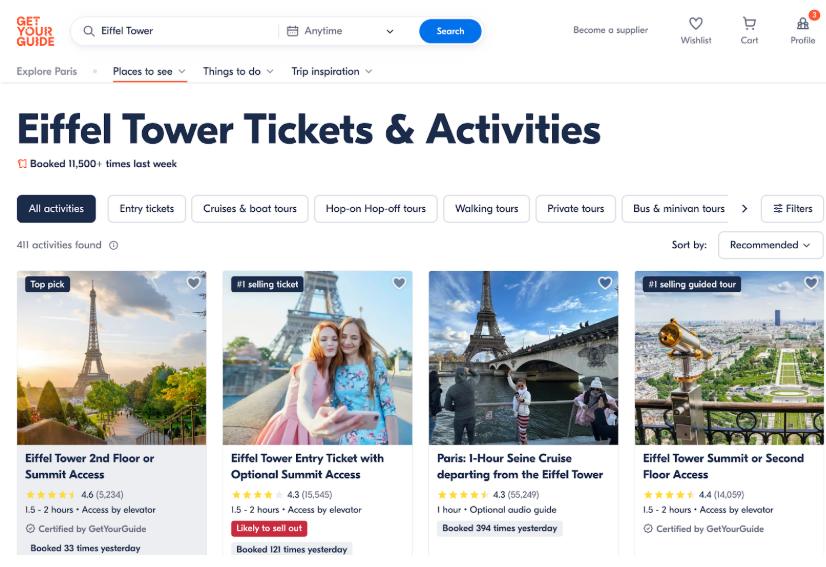
Take the Eiffel Tower, for example. It doesn’t offer skip-the-line tickets, yet many online travel agencies (OTAs) continue to advertise exactly that: “Skip the line at the Eiffel Tower.” The customer clicks, expecting a premium ticket or VIP experience. What they often find instead is a standard Eiffel Tower ticket.
This might seem like a harmless bit of marketing. After all, the customer was looking for Eiffel Tower access, right? But this approach—running ads on products you don’t actually offer—has real consequences. For the customer. For legitimate operators. And for the industry as a whole.
The Breakdown
1. It confuses customers
A misleading ad title might win the click, but it’s often at the expense of trust. Customers arrive on the landing page only to realise it’s not what they thought they were getting. For busy families or time-pressed travellers, that small moment of confusion can lead to doubt, frustration, or abandoning the search altogether.
In an era when 90% of people say reviews influence their decisions and brand trust directly impacts conversion rates, misleading ads are not just short-sighted but risky.
2. It inflates costs for operators who do offer what the customer wants
When big brands bid on keywords like “food tour Florence” without offering those exact services, they drive up the cost-per-click for everyone. Smaller, independent operators who do run Florence food walks end up paying more to compete for the exact search term, even though they’re the ones who can fulfil it.
That puts genuine operators at a disadvantage and creates a system where the most relevant, highest-quality experiences get buried beneath broad ad strategies and click-through funnels.
3. It causes ad fatigue and damages the whole sector
Search fatigue is real. When customers click on multiple ads and find none deliver what they promised, they lose interest, trust, and patience. They may decide not to book at all. Or they turn to less reliable sources out of sheer frustration.
That hurts the whole sector. The cost of capturing customer attention goes up, reviews go down, and great operators get fewer chances to shine.
But isn’t it just meeting demand?
Some advertisers argue they’re simply following the demand. “Skip the line” has become a catch-all phrase that suggests fast entry, premium access, or convenience. If customers are searching with that language, isn’t it reasonable to try to meet them there?
Yes and no.
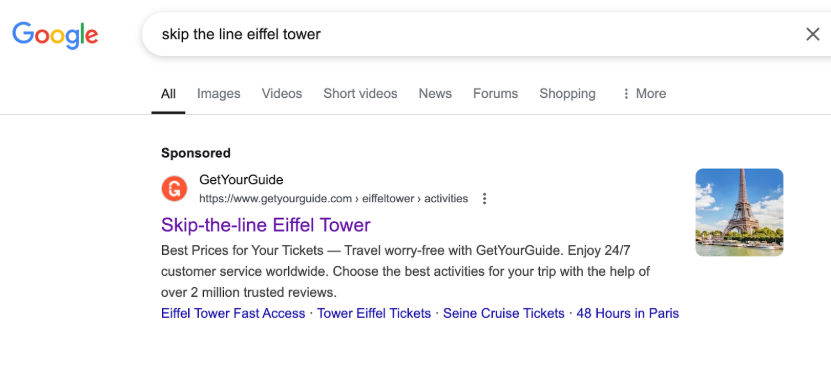
Search intent matters. But misleading advertising breaks the promise being made in the headline. Just because someone is looking for a food tour doesn’t mean they want to be offered a museum pass. And just because someone types “skip the line” doesn’t mean they should be shown standard tickets disguised as premium ones.
This is where marketing veers into manipulation. Customers expect relevance. When the experience doesn’t match what was promised, it breaks trust.
What other sectors can teach us
Other industries have already seen the impact of this. In Australia, Trivago was fined over AUD$44 million for misleading consumers about hotel pricing. In the EU, consumer protection laws already require transparent advertising. The UK is heading in the same direction with the new Digital Markets, Competition and Consumer Bill, which will ban hidden fees and tighten rules on how products are presented online.
This shift is part of a broader global trend. Advertising must reflect reality. If it doesn’t, regulators will step in. So will customers.
How this hurts your business
You may think that the quick wins are worth it, but the reality is that you aren’t just driving up costs for other operators – you are also increasing your own costs dramatically.
Imagine an auction house – where the bidders are operators, the items being auctioned is user traffic, and the auctioneer is Google. Every time a user searches online, the potential conversion quality of their search is bid on by you and your competitors – and the one with the highest bid wins the higher ad space, and with it, enhanced visibility.
So you can imagine how frustrating it can be when someone keeps bidding on an item they don’t need can be for those who do need it. As it forces everyone else to needlessly bid higher.
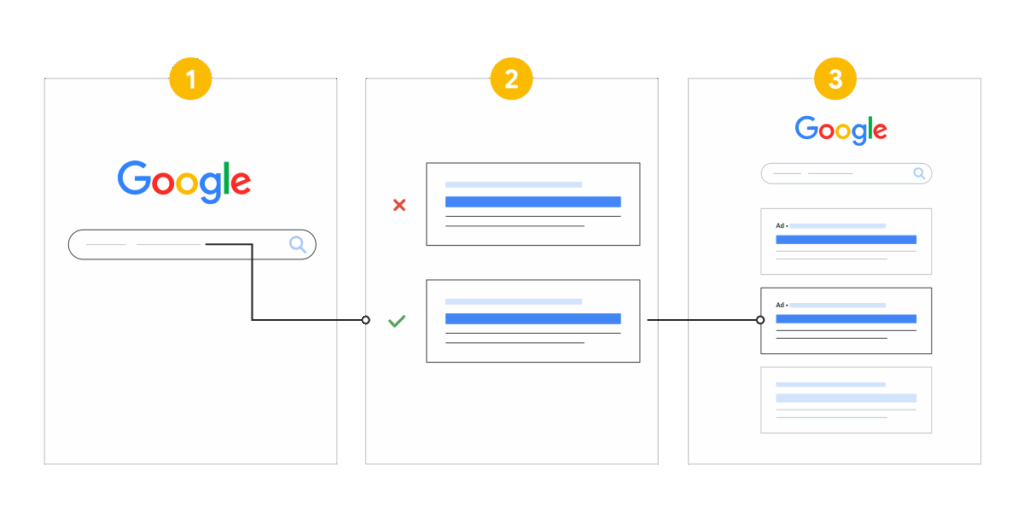
However, when it comes to Google Ads, there are downsides to flagrant misleading advertising that can negatively impact your business too. Because Google takes more into account during an auction than just bids. Advert suitability is also factored into who wins the top spot, providing a better ranking – leading to higher likelihood of conversion.
The amount that you pay in a bid isn’t just determined on the amount your competition is willing to pay. While running advertisements including copy matching user search queries does lower the Cost Per Click (CPC) of an ad, this isn’t the only signal that Google uses to determine how much you have to pay to win an auction.
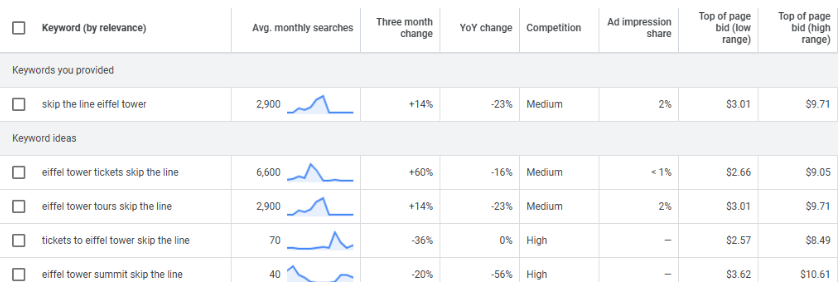
As shown here – there is a medium-to-high competitiveness and a fairly high CPC attached to “Skip the line Eiffel Tower” and similar terms. This is reflective of the importance of the term and conversion value – so much so as people are willing to pay over $10 for a single click!
Running your adverts on “skip the line” isn’t wrong – I mean, people are searching for it, after all. But this doesn’t mean your adverts should advertise this as a product you serve – when you don’t. Because this can have dire ramifications on your advertising efforts.
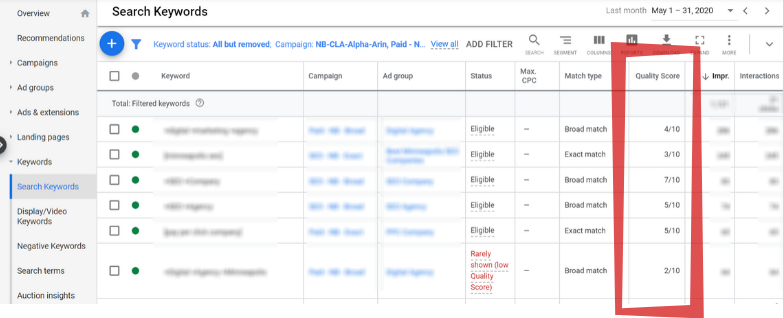
Landing page experience is a crucial part of the puzzle. A landing page that doesn’t match the ad copy you run, or the user search term drives down your Google Ads Quality Score – which determines your ad relevancy to the potential customer. A low Quality Score will ultimately have you paying more and ranking lower. Which can even result in your ads not running at all!
This is designed by Google to intentionally ensure ads are as helpful to the customer as possible.
Going against this system is like swimming upstream – and losing vital budget that could be spent smarter on terms that do align to your business products and services.
What can operators do?
If you’re seeing your keywords targeted by competitors who don’t offer your experience, or you’re losing bookings to vague ads, there are some actions you can take.
Audit your own ads.
Make sure your headlines and descriptions clearly reflect what you offer. Even if customers search with vague terms, resist the urge to bait with something you can’t deliver.
You should review your budgets: Behind every effective advertising campaign lies a well-thought-out strategy with a well-allocated budget to support it. Strategy is the vehicle. Budget is the fuel. You need both to achieve your goals.
Use negative keywords.
In Google Ads, you can exclude terms that don’t apply to your business. This stops your ads from appearing for irrelevant searches and helps lower your CPC.
Watch out for Dynamic Search Ads.
Dynamic Search Ads are automatically generated ads that match your product pages to search terms. These can sometimes autofill for services you do not offer, so keep an eye on your ads portfolio.
Lean on content marketing.
Long-form content, helpful blog posts, and SEO-optimised landing pages can help you rank organically for the right terms, without paying for every click.
Work with platforms that give you transparency.
Whether through your booking software, distribution tools, or advertising partners, ensure you have complete visibility on how your products are being marketed.
Examples of subtle keyword usage

Final thought: relevance matters
As an industry, we need to be better than this. Customers don’t need clever bait-and-switch tactics. They need clarity. They need to know that what they see is what they get. As trust becomes the new currency of tourism, relevance isn’t just ethical, it’s commercially savvy.
Advertising a product you don’t offer may win you clicks. But it won’t win you long-term customers. Misleading adverts can be harmful to your business in the short term and can even produce long term damage for your brand going forward.
Did you enjoy this article? Next, is LinkedIn the missing piece in your B2B sales strategy? Learn how tour operators can use LinkedIn ads to build brand awareness, generate B2B leads, and drive high-value bookings.