The game is no longer the same. Today, if you operate a modern stadium, you’re running more than just a ticketed sports venue: it is a hybrid cultural attraction.
Stadiums are becoming museums in their own right, places of heritage, storytelling, and year-round visitation. And that transformation is forcing operators to rethink everything from content to circulation, and from signage to ticketing logic.
Stadium tours and sports museums have become an important part of any team’s shared identity.
The rise of documentary culture
Why do we go to museums? To look at artefacts, sure. However, its the significance of these artefacts across time that matters. How it impacted our present, and the way in which we relate to these elements of history can inform our understanding of who we are.
Its about crafting a story, building a legend, contributing to a shared mythology.
Modern sports documentaries have brought the myth to the home. We can learn about our favourite team’s trials and tribulations from the television.
The explosion of sports documentary culture has rewired how fans relate to teams and venues. Series like Drive to Survive, All or Nothing, The Last Dance, Welcome to Wrexham and countless club-produced behind-the-scenes films have pulled back the curtain.
Fans no longer consume sport as a 90-minute event. They consume narratives:
- The rise and fall of legends
- The architecture of iconic moments
- The human stories inside locker rooms and boardrooms
When visitors arrive at a stadium today, especially outside of matchday, they arrive primed for context, emotion, and insight. They expect to understand why this place matters, not just what happens here.
How it informs their shared identity.
This is museum behavior, even if it doesn’t yet look like a museum.
From fans to visitors: A broader audience with different needs
The modern stadium visitor is not always a hardcore supporter.
Increasingly, stadiums welcome people of all backgrounds; tourists with limited knowledge of the sport, families looking to learn, corporate guests, school groups, international visitors drawn by global brand recognition.
You name it!
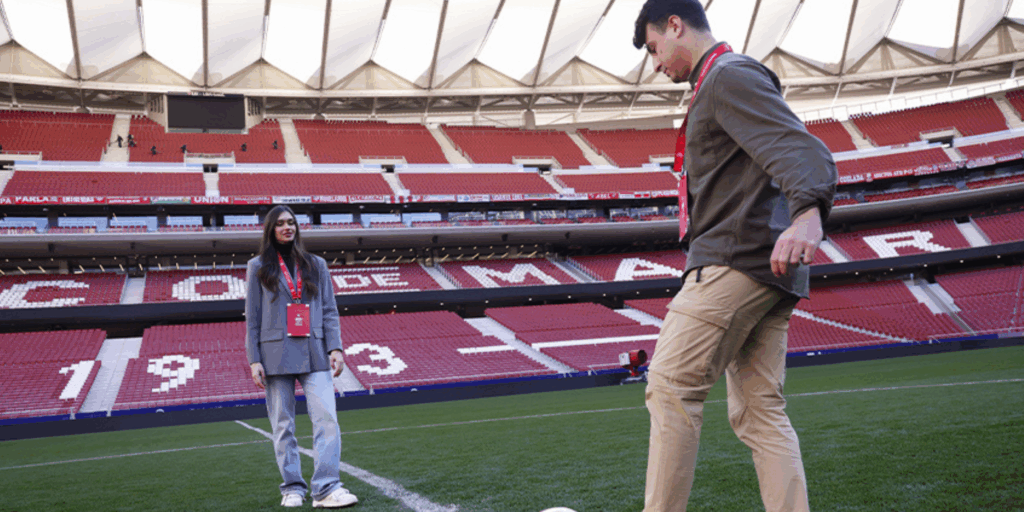
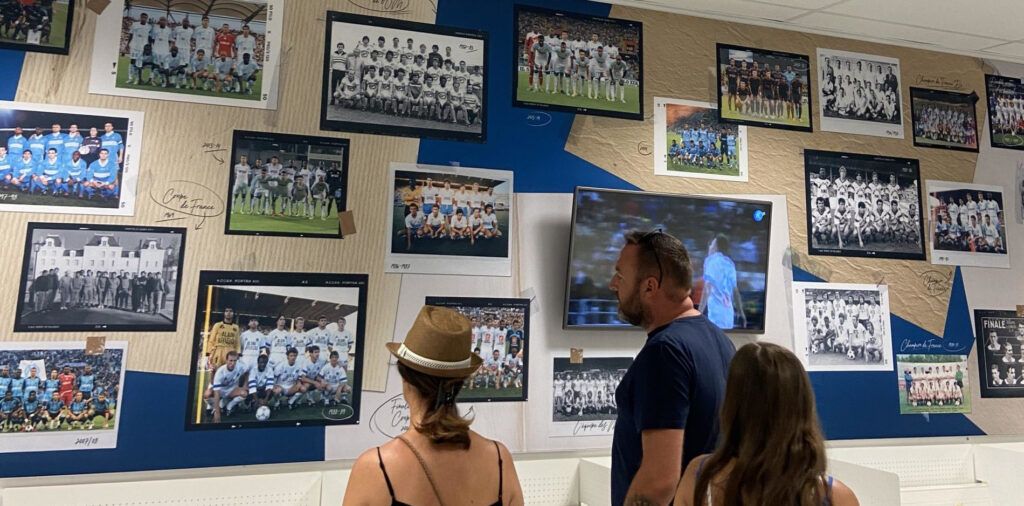
These audiences are seeking heritage, storytelling, and archival content, not just access to seats or the pitch. They want to walk through history, understand rivalries, see artefacts, and hear stories that make the venue meaningful, even if they’ve never watched a full match.
Ultimately, sometimes it’s nice to just take in something different, even if it’s not exactly your main hobby. I mean how many of us are zoologists? Yet it’s always great to go visit a zoo.
Make your product visible – everywhere!
This isn’t a game.
And you can’t expect your audience to line up just because their team is playing.
Getting people to visit your museum or stadium tour is about more than just expecting them to line up on match day. You need to market!
Ensuring that you are maximising your product visibility is crucial to any tour or attraction. But it’s not enough to treat it as a mere add-on to the main stadium operations.
Getting your sports museum offerings on OTAs is crucial, and a professional, efficient channel management system is absolutely essential in this domain.
A quality channel manager simply makes sense. It allows for maximum visibility across all relevant sales platforms, centralised management of products across all channels, and complete integration with ticketing and reservation systems.
This might sound like a “nice to have” feature, but its really not. Keeping track of your stadium tours and museums, as well as add-ons and packages, all across countless platforms is mind-boggling levels of manual labour.
Don’t slow down your operations, working better with smarter channel management.
Accessibility and interpretation as strategic priorities
Museums have spent decades refining accessibility and interpretation. Stadiums are now catching up and being judged by the same standards.
After all, you are missing a trick if you think your audience are all going to be local. Its important to spread your wings and reach new audiences, so offering multilingual options can be an amazing way to spread your story further, and make more bookings!
Additionally, It’s important to cater to all your potential audiences with inclusive design and services to help those with mobility, hearing, and visual impairments. So ensure that options exist to help connect people from all backgrounds.
Digital layering and Augmented Reality can be a powerful supplemental tool. Audio guides for hearing impaired audiences, and in multiple languages can help guests bridge the gap, for instance.
As long as the heart of your tour is rooted in quality, these extra layers simply bolster your experience.
This isn’t just about compliance. It’s about quality of experience. A stadium that fails to interpret its own history clearly is leaving value on the table, and excluding potential audiences.
The hidden challenge: ticketing and visitor flow complexity
Behind every great museum experience is a complex operational system quietly doing the work.
Hybrid stadium attractions must manage:
- Timed vs. open entry
- Bundled experiences (tour + exhibition + museum access)
- Dynamic pricing and deals
- Real-time capacity across interconnected spaces
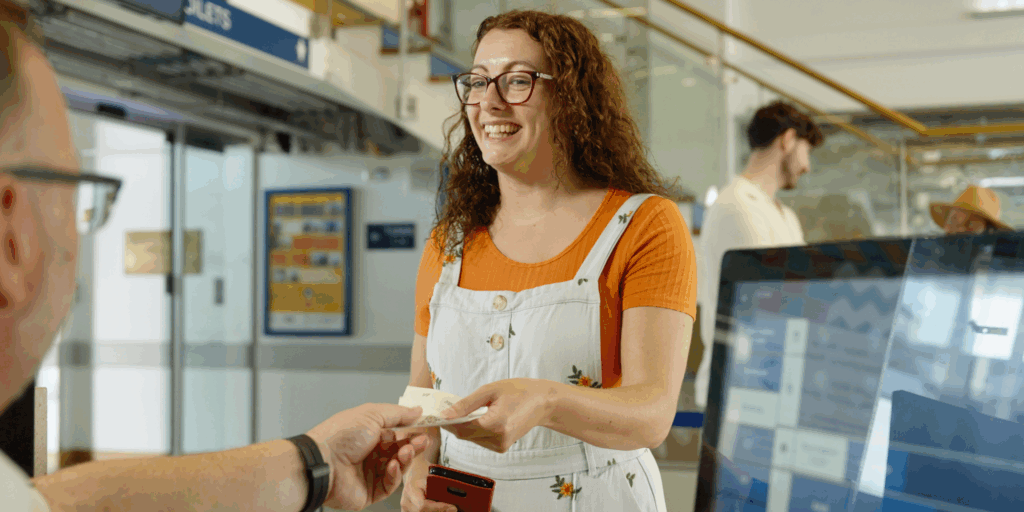
Traditional sports ticketing systems were not designed for this. Neither were basic attraction ticketing tools built for simple one-route visits.
What stadiums now require is museum-grade ticketing logic, adapted to the realities of live sports venues.
The stadium as a year-round cultural asset
The museum-ification of stadiums isn’t a trend, it’s all part of a structural evolution. As content, culture, and tourism converge, stadiums are becoming year-round destinations with responsibilities that go far beyond sports.
Those who recognise this shift early, and equip themselves with the right operational partners, will unlock new audiences, new revenue streams, and deeper emotional connections.
This new shift towards this business model requires a rethink and reimagining of the tech that runs it. Explore how Palisis can help your business transition toward this new all-year-round model with the best partners, with maximum platform visibility.