I’m a solo traveller. Which means I have two modes:
- “I’m independent and spontaneous.”
- “I would like one adult ticket, and I would like it to be extremely obvious where I’m meant to stand.”
So when your 2025 HoHo data shows solo bookings at 42% and duos at 39%, that made me smile. That’s 81% of bookings being 1 to 2 tickets. Just one of many cool insights from our HoHo state of the industry report: download your copy here!
If your stop messaging, photos, and ticket naming still look like “family activity,” it’s not intentional. But you might be making nearly half your buyers work harder than they need to.
If you only take one thing from this article, take this:
Quick checklist: Is your marketing accidentally excluding 4 in 10 customers?
Why solo travellers are great HOHO customers
Solo travellers are often your easiest customers when the journey is simple.
They:
- Decide quickly and buy quickly
- Love flexibility
- Want an easy way to get their bearings
- Will pay for convenience if it removes hassle
But they’re also quick to abandon anything that feels confusing. If it’s not obvious where to start, how the ticket works, or what happens next, they’ll pick a different option and move on.
Practical changes that make HOHO feel solo-friendly
1) Alter messaging so it speaks solo travellers
Most people at the stop are not looking for a long explanation. They’re scanning for reassurance.
Make sure your stop signage answers these in seconds:
- Start here
- Tickets start when you first hop on
- Buses every X minutes (If you can confidently state it)
Providing peace of mind is a crucial step in winning over anyone, especially those who travel solo. Something as simple as adding a map to vouchers is enough to reassure.
If you can add one line of friendly reassurance, even better:
“Buying just one ticket? Totally normal. Most people do.”
That one line removes social friction. It also stops people from hanging back and hesitating, which helps your queue too.
2) Update photos so it doesn’t look like “families only”
If every photo shows a family of four, solo travellers still buy, but you’re quietly telling them “this isn’t for you”.
Add a few images that reflect what actually happens:
- One person on the top deck with a coffee or headphones
- Two friends travelling together (not overly staged)
- A guest scanning a ticket and getting on smoothly
If you’ve got strong team photos, use them. Solo travellers notice staff more because staff are their plan B if something goes wrong. A friendly face builds trust faster than another paragraph – and people want to feel catered to.
It’s so easy to feel like an outsider when you are on your own, so extending the appropriate grace to ensure that everyone feels welcome is a great way to help your business, as well as to help ensure people are delighted by your product!
After all, children’s tickets reflect a fairly small amount of the overall tickets sales for HoHo in 2025 – even down 14% from 2024.
Good places to use team photos:
- On the “how it works” section on mobile
- On stop signage or posters
- In the booking confirmation email or page
3) Rename tickets so they sound simple, not like a puzzle
Solo travellers often buy on the day. Too many ticket names slow them down.
Keep ticket names plain and obvious:
- 24-hour hop-on hop-off ticket
- 48-hour hop-on hop-off ticket
- 72-hour hop-on hop-off ticket
If you sell a shorter ticket, make the use case clear:
- 12-hour ticket (Ideal if you arrive late)
Avoid clever names that need explaining. If someone has to ask what it means, they assume it’s complicated. Clarity is everything when it comes to this, and this is even more important to remember when it comes to travel, because not all your customers are guaranteed to natively speak your language.
4) Make the first five minutes idiot-proof (in a kind way)
The fastest way to lose a solo traveller is to make their first hop stressful.
Aim for a first-time experience where someone can:
- Buy
- Scan
- Board
- Find a seat
- Understand what to do next
…without asking a question.
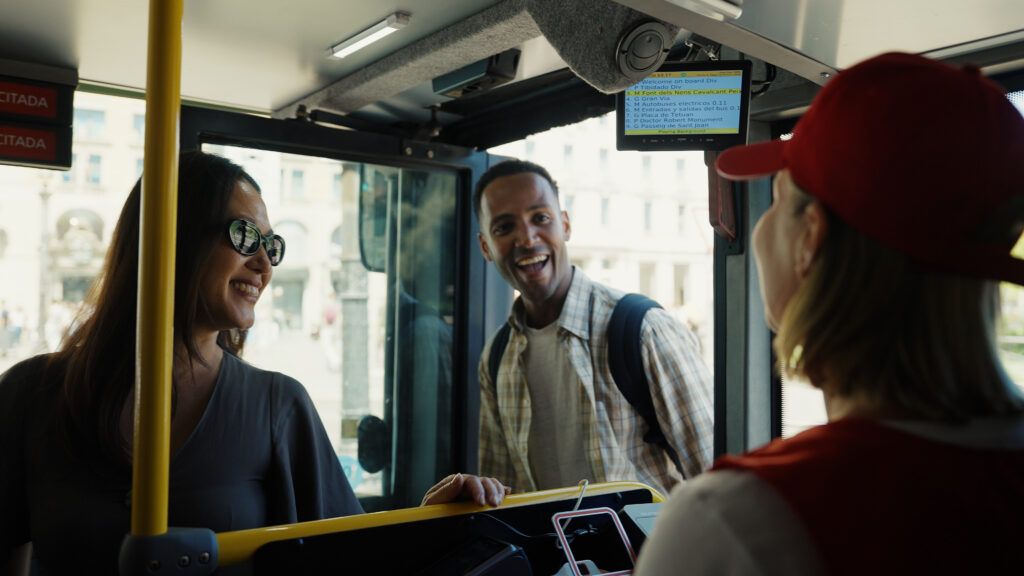
Be where your customers are. There are important use cases for going paperless with vouchers especially for younger travellers; however, always keep the option open for more traditional ticketing, not everyone is tech-savvy.
This is where tiny improvements make a big difference:
- Clear “start here” point
- One obvious place to scan
- A simple line from staff: “Hop off wherever you like, then hop back on with the same ticket”
Clarify your marketing material to reflect this to keep everyone in the loop.
5) Add one small “solo” touch to your copy
You don’t need a “solo traveller campaign”. You just need to stop sounding like you only expect families.
A couple of small lines you can use on your website, signage, and confirmation messages:
- “Perfect for solo travellers and couples.”
- “Want to get your bearings quickly? Start here.”
- “Most people buy 1 ticket or 2 tickets.”
These lines do two things:
- They help solo travellers feel normal
- They speed up decision-making
Quick checklist: Is your marketing accidentally excluding 4 in 10 customers?
Ask yourself:
- Do your photos show solo travellers, or only families and groups?
- Do your ticket names make sense on a phone in bright sunlight?
- Do your signs clearly say “start here” and “tickets start when you hop on”?
- Do you show friendly staff faces at the point of purchase?
- Could someone buy and board without asking a question?
If you answered “no” to two or more, that’s your to-do list.
Want more tailored advice? Reach out to Palisis to learn more about what you can do to make the shift toward solo travellers.