Culture and heritage play a fundamental role in the tourism industry. They serve as key drivers for attracting visitors, stimulating economic growth, and enhancing the overall appeal of a destination.
For tour operators, hoteliers, and activity providers, leveraging cultural reinvigoration can dramatically maximise business opportunities.
But how?
Enhancing and uplifting local heritage clearly benefits operators in the region by fostering connectivity, creating strategic partnerships, and boosting visibility, profitability, and customer engagement for operators, hoteliers, and attractions.
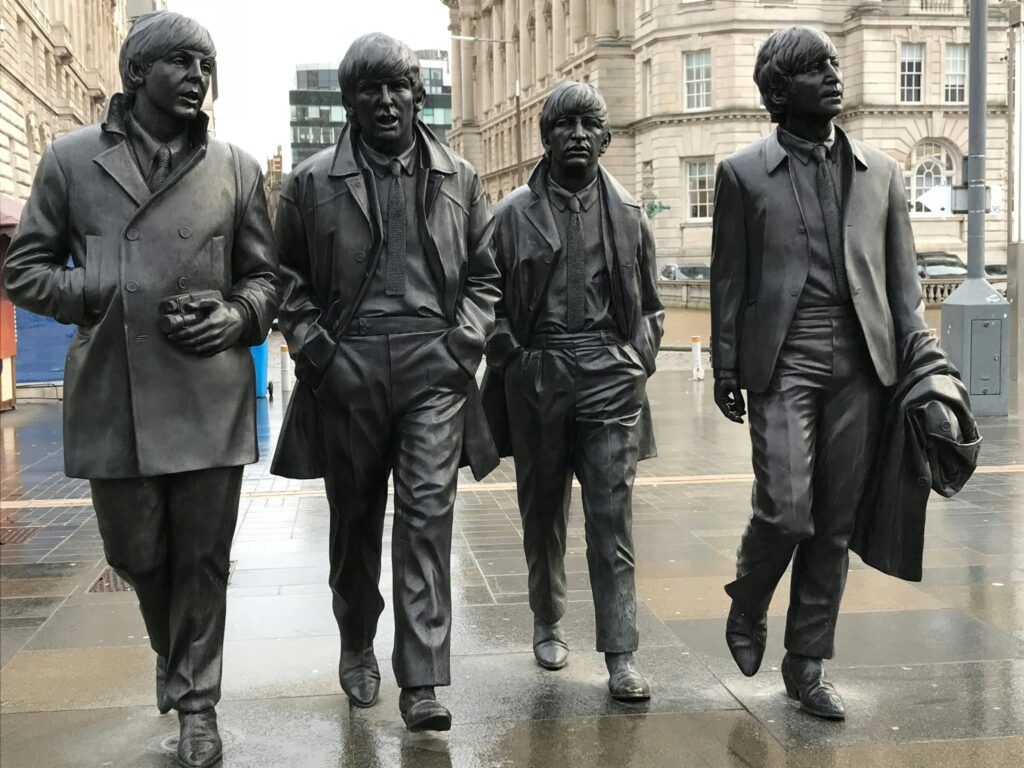
A prime example is the Big Heritage event in Liverpool, which successfully integrated culture into the local tourism landscape. This event featured a wide array of industry experts, highlighting the importance of revitalising small attractions within destinations and the vital role partnerships play in vibrant, sustainable communities.
Why culture matters in tourism
Culture and tourism are inextricably linked. Travellers seek authentic experiences, whether it’s visiting historical landmarks, engaging in cultural tours, or immersing themselves in local traditions.
This connection creates business opportunities for tour operators who curate experiences that highlight the uniqueness of a specific location.
Key ways in which culture influences tourism include:
- Enhancing the visitor experience through immersive storytelling and historical interpretation.
- Enriching the positive reputation of the location to increase tourism interest.
- Encouraging repeat visits and positive word-of-mouth marketing.
The Big Heritage event in Liverpool showcased how cultural initiatives can drive foot traffic, boost local engagement, and create a sustainable business ecosystem.
“To truly thrive, destinations must look beyond their businesses and focus on the broader visitor experience. Collaboration is key; by working together and embracing partnerships, we can create richer, more engaging experiences that resonate with visitors and strengthen the local community.”
Marc Wieland, CEO of Palisis
How tour operators benefit from cultural and heritage tourism
Understanding contemporary tourist behavior is crucial for operators capitalising on cultural tourism. Modern travelers prioritise immersive experiences over simply visiting numerous destinations.
Year-on-year, the number of trips that tourists are taking has decreased; however, the amount being spent on experiences when they go on holiday has increased.
Therefore, there is an excellent opportunity for cooperation between tour operators, hoteliers, and attractions/ experiences – if you can attract tourists to your city.
Rising tides lift all boats; the boost that all location-based services experience due to the reinvigoration of an area can be felt across all adjacent industries.
For example, improved bookings and performance of hop-on-hop-off (HoHo) tour bus services in a city will naturally see higher footfall for the various destinations on that specific bus route.
Having awesome, culturally significant locations on that route will also boost the number of customers using the HoHo services – great news for businesses along the way.
A powerful, attractive, engaging location through invigorated cultural elements can make or break the holiday season.
While online booking is increasingly popular, most people still book their experiences in person, and most likely on the day of – or days leading up to – the tour itself.
Maximising opportunities through strategic collaboration
To fully leverage cultural tourism, tour operators must adopt a collaborative approach:
- Engaging with local businesses: Partnering with museums, cultural organisations, and HoHo/ Tour Operators can create package deals that drive more bookings.
- Marketplace discovery: finding partnerships via a dedicated marketplace, like Palisis’ TourCMS marketplace provides connection opportunities with countless businesses. Helping you grow with information on potential partners, updated in real-time.
- Marketing through cultural events: Events like the Big Heritage initiative serve as an excellent promotional tool to attract interest from international visitors. Working with cultural organisations can help you get involved in injecting new tourism traffic into your city or location.
Overcoming common challenges
It can seem tempting to figure this all out solo – and it’s not impossible – just a bit impractical.
When done in-house, research, building, and maintaining relationships with local organisations and businesses can be a full-time gig. Some pretty clear issues can grind everything to a halt:
- Communication barriers: Manual collaboration can break down quickly without efficient communication on deals, changes, or new developments.
- Increased costs & bureaucracy: Managing logistics independently can be costly and time-consuming.
- Coordination issues: Ensuring a seamless customer experience requires careful planning and integration between different service providers.
One approach is to hire a dedicated team to manage these challenges. Alternatively, a Channel Management System (CMS) can offer built-in solutions, eliminating the need for large-scale team expansion.
Conclusion
Cultural reinvigoration presents many opportunities for tour operators, hoteliers, and beyond. By embracing cultural tourism, forming strategic partnerships, and utilising technology-driven solutions, operators can enhance their offerings and increase profitability.
Events like Liverpool’s Big Heritage initiative highlight the power of cultural engagement in shaping a thriving tourism economy. As the industry evolves, those proactively integrating cultural experiences into their business models will be best positioned to succeed.