A direct customer usually books for themselves.
They choose a date, select a time, pay, and receive their ticket. If something changes, they contact the operator.
Partner bookings are different.
The person making the booking is often not the person attending. They may be booking on behalf of a guest, a group, a school, a corporate client or a coach party. They may not know the final number at the time of booking. They may also have different payment terms, commission agreements or invoicing needs.
That creates extra admin.
If the partner cannot update the booking themselves, they need to contact the operator. If they need an invoice, they may need to email the finance team. If the group size changes, someone has to manually adjust the reservation, cancel and rebook, or find a workaround.
A small change becomes a chain of messages.
Why editing reservations matters
One of the most useful things a trusted partner can do is edit an existing reservation.
Imagine a tour guide reserves 50 seats for a group travelling through several cities. At the time of booking, 50 is the best estimate. As the trip gets closer, the guide gets a clearer idea of how many people will actually attend. The final number might be 48, 44 or 52.
Without reservation editing, the guide has to contact the operator. The operator then needs to change the booking manually, or worse, cancel and rebook.
That is not ideal for anyone.
The partner wants speed and flexibility. The operator wants fewer admin requests. The customer wants the group visit to run smoothly when they arrive.
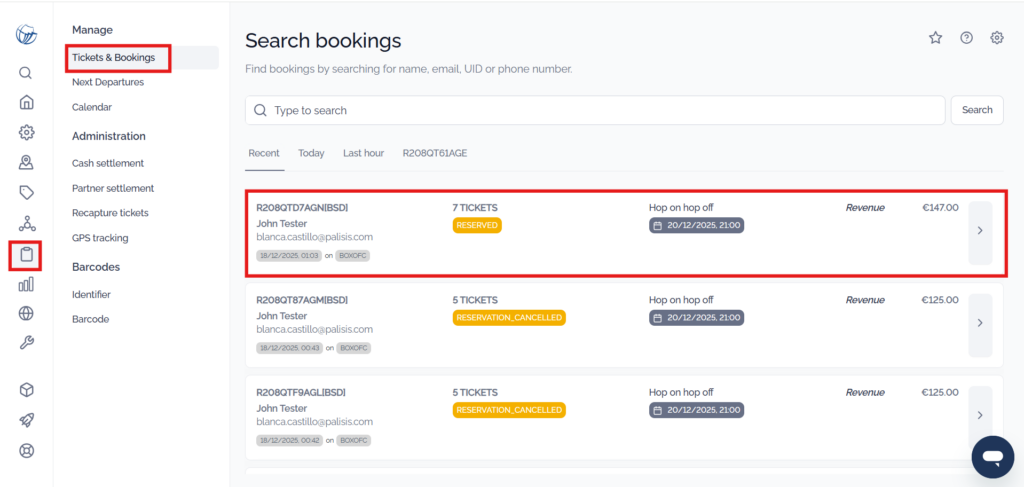
Reservation editing helps because the original booking stays in place. The quantity can be adjusted without creating a messy trail of cancelled bookings, duplicated records or payment confusion. This way, editing a reservation generates a new record with updated details while preserving your original reference or shortcode.
Why this should be for trusted partners only
There is a big difference between giving partners useful control and letting anyone change anything.
Not every partner should be able to edit reservations. Operators need to decide who they trust, what they can edit, and when they can edit it.
For example, a regular travel agent with agreed payment terms may be allowed to change the number of guests before a cut-off time. A hotel partner might be able to reserve selected products but not others. A tour guide may be able to reduce or increase a group size within certain limits.
Invoicing is part of the same problem
Partner bookings also often come with different payment expectations.
A direct customer usually pays by card at checkout. A partner may need to book against a net rate, commission structure or business account. They may need an invoice for their finance team. They may also want multiple bookings consolidated into one payment or billing process.
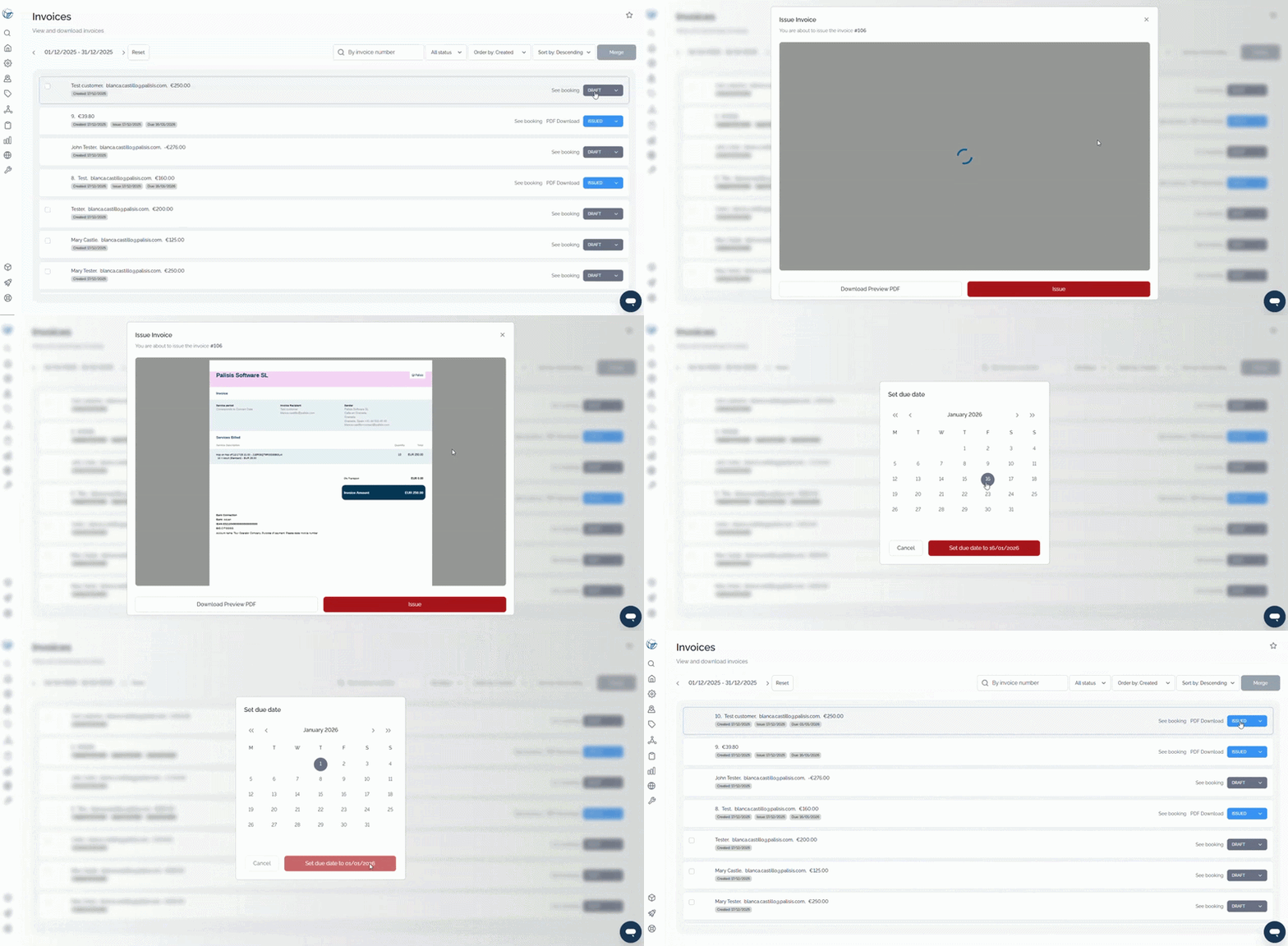
This is where invoice functionality becomes important.
If partners can request or use invoice payment options during the booking process, the operator does not need to handle every invoicing request manually. It also makes the booking process feel more professional for agents, corporate clients and regular B2B partners.
This is especially useful when the partner relationship is ongoing.
The hidden cost of manual partner admin
Manual admin often feels manageable at first.
One email from a hotel. One phone call from an agent. One invoice request from a corporate organiser. One group size change from a guide.
But across a busy season, these small requests add up.
The team spends time checking availability, editing bookings, confirming prices, updating records, sending payment links, creating invoices and replying to follow-up questions.
That time could be spent supporting guests, managing operations or building stronger partner relationships.
What operators should think about
Before giving partners more booking control, operators should think carefully about the rules.
Useful questions include:
- Which partners are trusted enough to edit reservations?
- What details should they be allowed to change?
- Should there be a cut-off time before the departure?
- Can partners increase and reduce quantities?
- Which products can partners book?
- Do different partners have different commission or net-rate agreements?
- Should invoices be available to all partners, or only selected accounts?
- Does the finance team need consolidated invoicing?
- How will the operator keep visibility over partner changes?
Where Palisis fits in
At Palisis, we are expanding partner booking functionality to support more of these real-life B2B scenarios.
This includes giving trusted partners the ability to edit reservations, so they can adjust quantities on the same booking rather than cancelling and rebooking. It also includes invoice functionality for partners, helping operators support agents, travel companies and other B2B accounts that need invoice-based payment options.
Contact us to learn more about editing reservations and invoicing for partners.