In tours and activities, availability and capacity get mixed up all the time.
They sound similar. They both affect what you can sell. And when something goes wrong, they both end up with the same outcome: someone is unhappy, your team is stressed, and you’re doing maths in a panic.
But they are not the same thing.
Understanding the difference is one of the quickest ways to get better control of sales, stop accidental overselling, and reduce the day-to-day admin that creeps in as you grow.
The simplest way to think about it
Capacity is how many people you can take.
Availability is how many you have left to sell.
Capacity is the limit.
Availability is what remains.
If you remember nothing else, remember this: availability changes constantly, capacity is your rule.
What is capacity?
Capacity is the maximum number of guests you can handle for a specific experience, time slot, departure, or day.
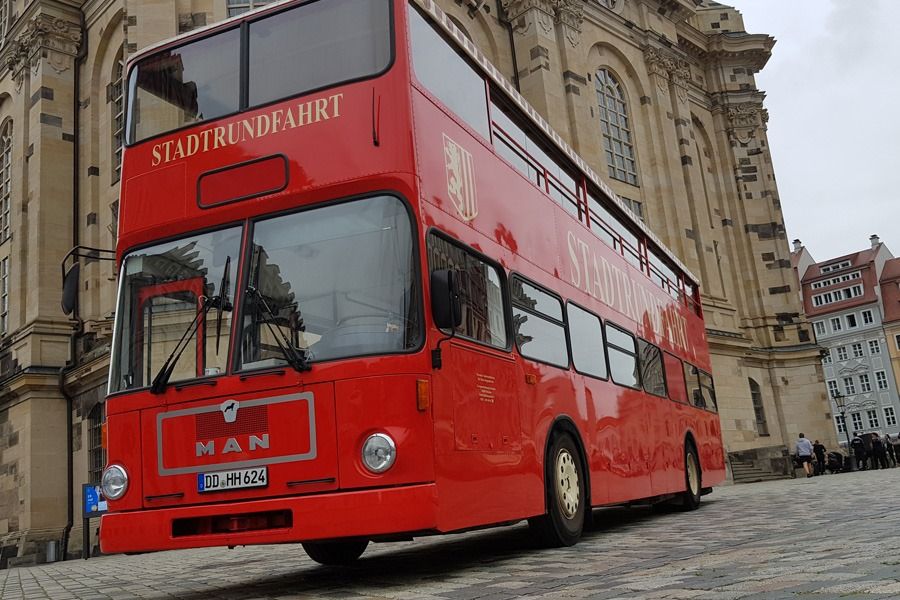
It is driven by real-world constraints like:
- Vehicle seats (bus, boat, train)
- Guide-to-guest ratios
- Safety limits
- Venue or room limits
- Time slots and turnaround time
- Staffing levels
- Physical equipment (headsets, bikes, kayaks)
- Group size rules (for quality, not just safety)
Capacity is not always one number, either. Many operators have capacity rules that vary by scenario.
Common capacity types operators deal with
- Fixed capacity: One number, always. Example: a boat has 120 seats.
- Variable capacity: Changes by day, season, staff levels, or vehicle used.
- Shared capacity: Multiple products pull from the same pool. Example: a 24-hour and a 48-hour ticket both use the same bus seats.
- Resource-based capacity: Limited by guides, drivers, or vehicles, not just seats.
- Time-based capacity: You can take 20 per slot because you need 15 minutes between groups.
Capacity is basically your operational reality written down.
What is availability?
Availability is what a customer sees when they try to book.
It is the number of spaces left for that specific date, time, or departure, based on your capacity rules and what has already been sold.
Availability is affected by:
- Bookings that have already come in
- Held inventory (for partners, resellers, groups)
- Allocations (for OTAs or trade partners)
- Cut-off times and release rules
- Cancellations and amendments
- Manual blocks (for maintenance, staffing changes, private charters)
Availability is dynamic. It should be updating automatically as sales happen.
A simple example
You run a sightseeing cruise on a boat with 100 seats.
That 100 is your capacity.
If you’ve already sold 30 seats, you have 70 available.
- Capacity = 100
- Availability = 70
If a hotel partner has an allocation of 10 seats that you hold back, your sellable availability might show as 60, even though you technically have 70 seats left in total.
That is normal. But only if it is deliberately set up, and you can see what is going on.
Why operators get caught out
Because the messy stuff happens in the gap between these two ideas.
Here are two very common real-world problems:
Problem 1: You have capacity, but availability looks wrong
You have seats left, but your system shows “sold out”.
This is usually caused by:
- The inventory is held back and not released
- Allocations set too high
- Shared capacity rules are not configured correctly
- The product is mapped to the wrong departure or time slot
- Cut-off times are blocking sales earlier than intended
Problem 2: Availability looks fine, but you cannot actually deliver
Your system keeps selling, but the operation cannot cope.
This is usually caused by:
- Capacity rules are not reflecting real staffing levels
- Resource limits not being included (guides, drivers, vehicles)
- Multiple channels selling without a single source of truth
- Manual overrides or exceptions are becoming the norm
- Shared capacity is not set up properly across products
This is where overbookings often come from. Not because your team is careless, but because your system is not reflecting how the business actually runs.
Capacity is not always “seats”
This is the bit that trips up growing operators.
If you only ever sell one product, through one channel, with a single departure schedule, capacity can feel like a seat number and nothing more.
But as soon as you have complexity, capacity becomes a set of rules, not a number.
Here are a few examples operators recognise instantly:
Walking tours
Capacity on walking tours can easily fall into the realm of being a rule. Things like legal caps or quality caps can max out at 20 guests, and this can be even lower if the guide is inexperienced.

The nature of the exact nature of capacity can simply become a logical endeavour, a matter of quality. Anything that compromises the enjoyment and delight of the customer can transition into becoming a capacity issue. For example, a busy city centre can quickly push that 20-guest cap to 10.
Specialist tours are especially restrictive in this dimension – because quality matters.
Museums and timed entry
200 people per hour sounds reasonable for the average museum and timed entry experience. However, the capacity for the actual exhibit is only a piece of the puzzle. As visitors cycle in and out of the building, visitors can cluster in the waiting area or entrance, which introduces another capacity conundrum.
Keeping the exhibit moving is crucial to ensure that you can balance that 200 cap with a 50-person cap at the entrance, too. Not to mention that many institutions like this also have specialist groups too – like school trips – which need their own unique cap.
Capacity has layers.
Hop-on hop-off
Hop-on hop-off doesn’t abide by the typical “seat per departure” capacity model because the service keeps running continuously. But this doesn’t mean there are no capacity concerns to be had; fleet size, season, peak hours, stop demand, and more all contribute to capacity questions – it becomes part of the model, rather than counting before heading out.
Hopping behaviour and ticket types all provide unique durations and demand for the HoHo capacity question. As such, it becomes a living, breathing way of life for operators.
Ferries
The capacity of the ferry service is at the whim of a variety of elements: legal passenger caps, vehicle capacity, crew limitations, and even something like the duration of the sailing time can create capacity considerations.
The multi-dimensional nature of ferries’ capacity question means that preparation and expertise is a must.
Problems checklist for operators
If you’re trying to work out what to fix, here’s a practical way to diagnose it.
You may have a capacity problem if…
- Staff regularly say, “We can’t run this with that many people”
- The actual operation changes by day, but the capacity never changes
- Guide, vehicle, or equipment limits are managed separately in spreadsheets
- You keep putting manual blocks in the system to stop overselling
- Some departures feel calm, and others feel chaotic with the same guest count
- Quality is slipping because groups are too big
In short, your capacity rules do not match how the operation really runs.
You may have an availability problem if…
- You have space, but your system shows sold out
- Availability differs across channels
- Partners complain they cannot book when you know you have space
- You find held inventory that was never released
- Allocations are being guessed rather than managed
- Your team spends too much time checking and confirming manually
- You do not trust what the system is showing
In short, you may have the right capacity, but availability is not being calculated or shared correctly.
You likely have both problems if…
- Overbookings happen more than once in a blue moon
- Your team double-checks everything “just in case”
- You sell across multiple channels, and something always feels slightly off
- Fixes tend to be manual rather than systematic
- Operations and sales argue about what can actually be sold
That’s usually not a people problem. It’s a setup problem.
The questions that clear things up quickly
If you’re reviewing your setup, these questions usually reveal the issue fast:
- Do we know our true capacity rules, or are we using a rough number?
- Does our capacity change with staffing, vehicles, and seasonality?
- Are we holding inventory for partners, and is it being released properly?
- Are allocations helping us, or quietly causing “false sold out” situations?
- Do all channels read from the same live availability, or are we manually syncing?
- Can we explain why something is sold out in under 30 seconds?
That last one is a great test. If you cannot explain why availability is what it is, it is hard to stay in control.
The bottom line
Capacity is what you can deliver.
Availability is what you have left to sell.
For medium and larger operators, this is one of the biggest differences between “we can take online bookings” and “we can scale without adding chaos”.
If your team is regularly second-guessing availability, relying on manual blocks, or getting caught out by allocations and partner holds, it may be worth reviewing whether your capacity rules and availability logic reflect how the business actually runs.
👉 Contact us now to learn about our booking and reservation system