Back in 2020, remote work felt like an emergency workaround. Then “hybrid” turned into the compromise. Now, for a lot of office-based roles, it’s simply how life works.
In Great Britain, ONS reporting has repeatedly shown hybrid working sitting at “more than a quarter of workers”, including 28% in autumn 2024 and again in early 2025. And the UK Parliament’s Commons Library has also pointed to roughly the same ballpark.
So the interesting question is… What has this settled behaviour done to travel over the last few years, and how is it quietly reshaping the city break?
What’s changed in travel behaviour since hybrid became normal
1) City breaks are more “slot-in” than “take over”
When people can nudge a working day, they don’t always add a full extra day of holiday. Instead, they stretch the edges.
- Arrive later on Thursday, leave early on Monday
- Add one extra night because it’s easier to justify
- Plan lighter days on either side of travel
This doesn’t mean everyone is travelling midweek, but it does mean more trips are built around small pockets of time that need to be used well.
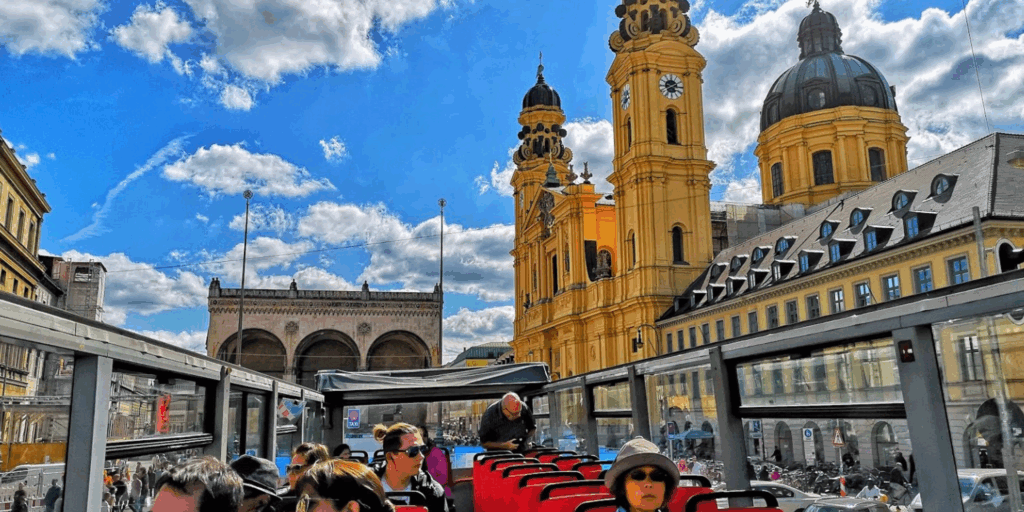
When it comes to travel, people are more varied than ever with their approach after all, the rise of Gen Z has shown that travelling is more about authentic experiences, after all. And so the nature of trips is less of a big trip and more of a “feel like a local” thing.
2) Last-minute decisions are a feature, not a bug
Hybrid work goes hand in hand with flexibility, and that shows up in booking behaviour.
GetYourGuide says 46.5% of leisure activity bookings occur 0 to 3 days before the experience, and that 7 in 10 frequent travellers book after they arrive to stay flexible.
That is basically the city break mindset in a nutshell: “We’ll decide when we’re there”.
3) More people are building trips from smaller “blocks”
When you’re mixing plans, energy levels, weather, and sometimes a bit of work, shorter experiences become the building blocks of the day.
This is where 60- to 90-minute formats shine (walking tours, museum highlights, neighbourhood tours, “best bits” local sights).
They feel low commitment, but still deliver a proper story and a sense of place.
4) The work trip is coming back, but it’s blurrier at the edges
“Bleisure” style add-ons are common, and the idea of extending a trip for personal time is firmly in the mainstream travel conversation.
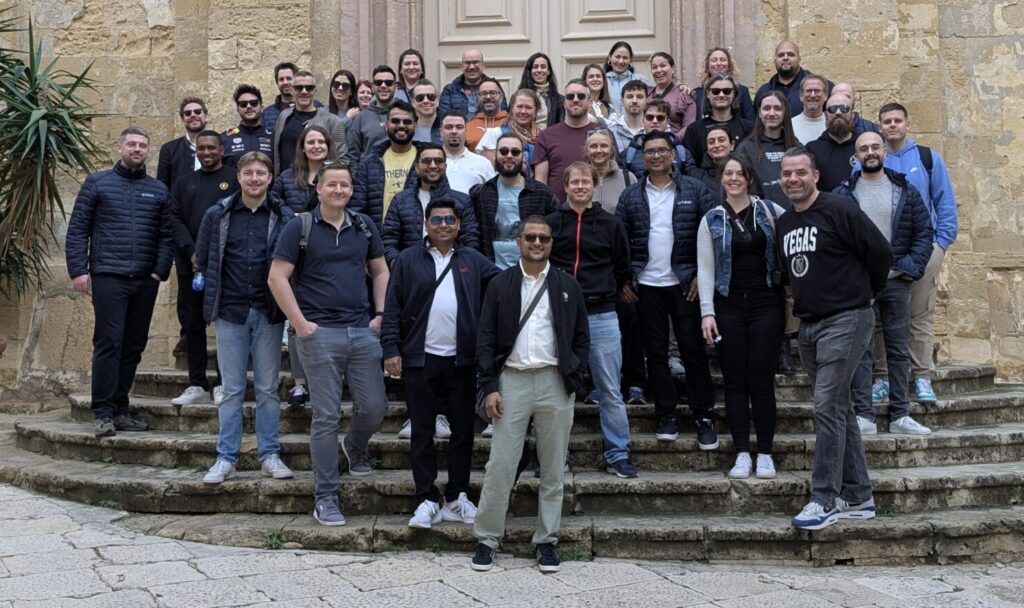
For city destinations, that often looks like:
- One work day, one personal day
- A free afternoon that needs a short activity
- A “we’ve got 2 hours, what’s nearby?” decision
How does this reshape the city break for walking tours, museums, and local sights?
Your product mix shifts towards short, clear, easy-to-join
Not because long tours are dead, but because the short ones catch the flexible crowd.
A strong line-up now often looks like:
- A 60-minute “first hour in the city” tour
- A 75 to 90-minute neighbourhood or theme tour
- A longer flagship tour for people who plan ahead
This kind of variety in your catalogue lets people explore the destination in the way they prefer. Knowing what your customer is looking for on their perfect guided walking tour goes a long way in building a product that’s perfect.
Start times matter more than ever
If travellers are fitting you between other plans, they need options.
Even adding one extra daily departure can unlock new demand, especially in the “late morning” and “late afternoon” gaps. Ensuring that your departure times are accurate and foolproof is crucial to capturing busy customers.
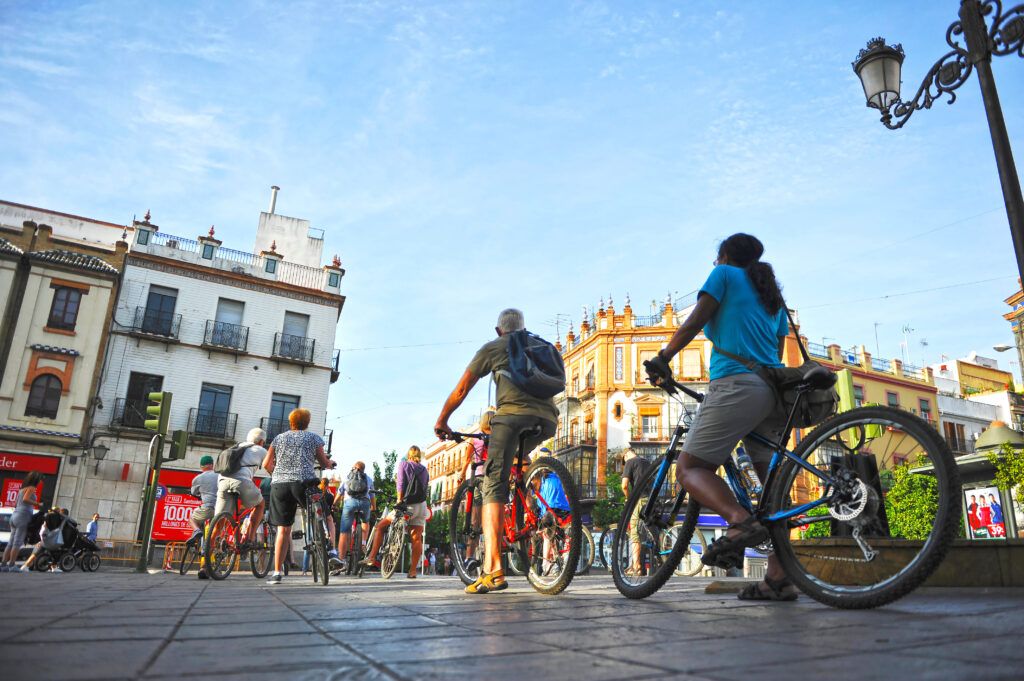
Joining instructions become part of the experience
When someone is squeezing you in, they do not have spare time for confusion.
One pin, one photo of the exact spot, one line of “look for…”. If you nail this, you reduce late arrivals and avoidable refunds.
Your content should sound like it understands modern schedules
This is the small tweak that makes a big difference.
Instead of only selling the theme, also sell the fit:
- “Perfect if you’ve only got an hour”
- “Easy to do between lunch and dinner”
- “Great for your first afternoon in the city”
It’s the same tour, but framed for how people actually travel now.
Summary
When a behaviour becomes normal, it changes expectations: people plan looser, book later, and pick experiences that are easy to slot into a busy day.
That is exactly why short, high-quality city experiences have become increasingly important, especially for walking tours and museum-style guided visits.
If you are looking to bolster your catalogue, speak to our team about how we can help you boost your bookings through advice that comes from experience.