Tourist taxes have become one of the most talked-about issues in tourism, but the conversation is often louder than it is clear. The idea gets framed as something dramatic or punitive, especially when you only see it through headlines. Yet when you look at how these levies work in practice, and why so many cities rely on them, the picture is far more sensible.
Tourist taxes didn’t appear to punish travellers. They appeared because cities needed a practical way to manage the pressure created by millions of extra people passing through each year. Once you understand that, the whole debate shifts from emotional to logical.
1. Where tourist taxes came from
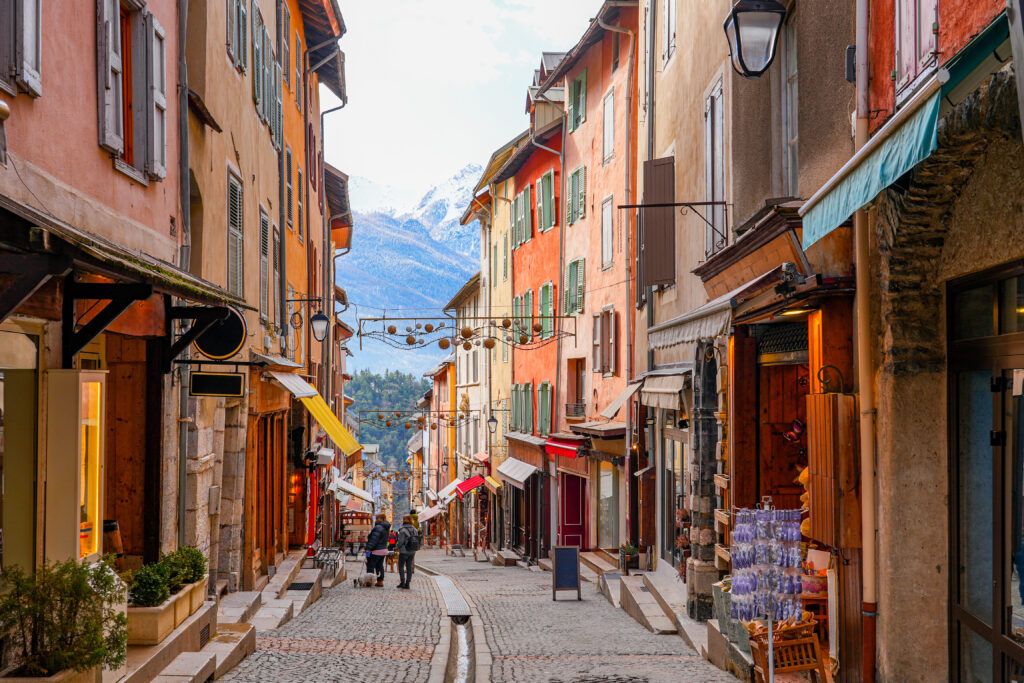
Although they feel modern, visitor levies began more than a century ago in the Alps. Small towns introduced tiny fees because seasonal visitors needed extra services: trail maintenance, lighting, cleaning, safety staff and winter facilities. Locals didn’t want to pay for the surge themselves, so the town created a small charge for overnight guests.
It worked. It balanced the books. And over the next century, the idea spread across Europe.
Today, visitor levies are in place in 125 destinations across 26 European countries.
France, Italy, Spain, Germany, Austria, Switzerland, and the Netherlands all use some form of per-night or percentage-based tax. The UK is one of the few major tourism economies that has never introduced one.
2. What tourist taxes actually pay for
In well-run destinations, the money doesn’t disappear into a general government pot. It’s usually ring-fenced for things directly affected by tourism, such as:
- Cleaning busy streets and public toilets
- Repairing parks and historic squares
- Supporting cultural events
- Improving lighting and safety
- Extra staffing on public transport
- Restoring heritage sites
- Managing seasonal crowd pressure
Amsterdam expects to collect around $262 million from tourist taxes this year. Paris charges €5–€8 per person per night, depending on hotel category. Barcelona publicly lists how its levy is spent, and has used part of it to fund air conditioning in schools and support cultural programmes.
These aren’t luxury projects. They’re the basic infrastructure that keeps a popular city functioning.
3. The economic question: do tourist taxes change behaviour?
Most governments worry that adding a levy will deter visitors. The evidence suggests otherwise.
Venice introduced a €5 day-trip fee on high-traffic dates and still generated €2.4 million in 2024. Amsterdam increased its accommodation tax to 12.5 percent, the highest in Europe, and still saw demand rise. Barcelona’s tourism numbers continue to grow despite its levy.

Most visitors barely notice the charge, because it’s small compared to overall travel costs. A one-or two-euro nightly fee doesn’t change a holiday decision. But it does give cities breathing room.
4. Where levies work well
The most successful cities all follow the same pattern.
Amsterdam: Uses levy income transparently for cleaning, safety, and public services, which helps maintain local trust.
Paris: Invests its revenue into culture, lighting and shared spaces. Clear purpose = public support.
Barcelona: Pairs its levy with wider housing and regulation policies, so the tax is part of a bigger solution, not a token gesture.
When destinations show where the money goes, visitors understand it, and residents appreciate it.
5. Where levies fall short
Problems appear when cities:
- Blend levy income into general budgets
- Fail to communicate purpose
- Introduce a tax without explaining what it will improve
If people can’t see what the levy funds are for, it feels like an extra bill. When the impact is visible, the levy becomes normal and accepted.
6. The UK enters the conversation
You can already see the tension appearing in the British news. Headlines warning that a new “bed tax” will “hit family holidays” make the idea sound dramatic, even though almost every major European city already uses a small visitor levy.
The UK’s proposed policy isn’t wild at all. It’s actually very ordinary. What makes it feel big is simply that the UK has never had one. A modest visitor levy is a standard tool everywhere else, but the British public is hearing about it for the first time through emotional framing.
The real challenge for the UK isn’t the levy itself. It’s everything surrounding it. Hospitality leaders worry about the stacking of costs: high VAT, rising business rates and staffing pressures; a levy introduced on top of all that feels heavy without wider tax reform.
The levy alone is logical. The context is where the tension lies.
7. Edinburgh’s example
Edinburgh has approved a 5 percent visitor levy on accommodation. With more than five million overnight visitors a year, this creates a meaningful pot of money that can go back into:
- Parks and public spaces
- Festival management
- Infrastructure pressure
- Transport
- City services affected by tourism

This is the same approach used across Europe. The UK is not inventing something new. It’s simply joining a system other countries have used for decades.
8. So, is a tourist tax fair or unfair?
Most of the emotional reaction comes from how the idea is framed, not from the numbers themselves. Once you look at how these levies work, and what they support, it’s hard to see them as anything other than practical.
Tourism brings huge value to a city. It also creates real pressure. Someone has to pay for the extra cleaning, transport and maintenance.
A modest visitor levy won’t solve overtourism, control demand, or fix housing. But it does help cities cope. For the cost of a coffee, a visitor can contribute to the place they’re enjoying, and residents feel that their city is being supported, not stretched.
When a levy is transparent, fair and properly managed, it stops feeling like a penalty and starts feeling like common sense.
Need to know more before you get started? Contact our team to discuss your next steps toward boosting your tour business.