When Monzo launched, it felt immediately different from the banks people were used to. You would notice the bright coral cards first, but the real shift happened inside the app. Everything was clear. Everything made sense. People felt understood in a way that banking had never quite managed before.
Travel often sits in a similar place. Most operators care deeply about their customers, yet the digital side of the experience still feels outdated. Booking emails are formal, refunds take time.
With everything that happens in the background, visitors often do not know what is happening between payment and arrival. Monzo shows what is possible when you rethink these small but important touchpoints.
1. How Monzo caught people’s attention
Monzo did not rely on heavy advertising. It grew because people were talking about it. The waiting list climbed past 100,000 before the company even had a full product range. By 2023, it had over seven million customers, and in 2024, it became the most switched-to bank in the United Kingdom.
A lot of this came from the same simple idea. Monzo communicated in a way that felt honest. There was simplicity in the presentation, from the language to layout, it all just made sense in a way banking rarely ever does. So people felt like they knew what was going on and what they were signing up for.

It is a small reminder for travel that clarity is not a luxury. It is the foundation of trust. Many booking confirmations still feel dense and technical. A few small adjustments can make the entire journey easier for visitors who may already be anxious about plans, tickets or timings. Even making sure that refunds are efficient can go a long way.
2. The comfort of instant reassurance
One of Monzo’s most memorable features was the instant notification after a payment. The moment your card touched the reader, your phone acknowledged it. People laughed about it, but it made them feel secure.
It’s the immediate acknowledgement that everything just worked out well. A small thing, but meaningful.
In travel, that moment after booking can feel too quiet, after all there is a lot that happens in the background once a ticket is booked. Customers make a payment, then wait for an email at an unpredictable time. If the message lands in a spam folder, the uncertainty grows.
A simple confirmation that appears immediately can shift the tone for the entire experience. It tells people that everything is in hand and that there is nothing to worry about.
3. Writing that feels human and easy to follow
Monzo stood out because it wrote the way people actually speak. The language was calm and straightforward, which helped people understand what was happening without effort. It seems like a ridiculous notion, but in 2026, AI is in everything, from support to advertising, so it’s important to make clear the human touch.
Travel often slips into heavier wording. Booking messages can feel formal or packed with industry terms. Most visitors do not read closely when they are travelling, and many are working in a second language. It also helps to remember that in the United States, the average reading level is around seventh to eighth grade, which is roughly 12 to 14 years old. That is not a comment on intelligence. It simply shows how quickly people need to process information when they skim.
A simple test is to read your message out loud. If it feels clunky or takes too long to say, customers will struggle with it too. Clear, warm writing helps people understand the plan, and once they do, they relax.
4. What Monzo got right about support, and what it struggled with
In the early years, Monzo was known for quick support. If something went wrong, help arrived through the app without much stress. People talked about how refreshing that felt.
As the customer base grew, the pressure on support increased. Some users noticed longer waits or slower replies. It was not a sign of failure, but of growth arriving faster than infrastructure.
This is a helpful lesson for travel. A brilliant customer experience can slip quickly if the support behind it cannot keep up. Many operators focus on marketing and onboarding new guests, but the real test is what happens when plans change or something goes wrong. A quick, kind response creates loyalty far more effectively than a discount.
5. The feeling of community and why it matters
Monzo did something unusual for a bank. People felt connected to it. There were meetups, open discussions about new features and a sense that the company genuinely listened. It made customers feel like part of the journey rather than passive users – it’s important to know your audience, whether that’s their buying habits or even how they prefer to be addressed.
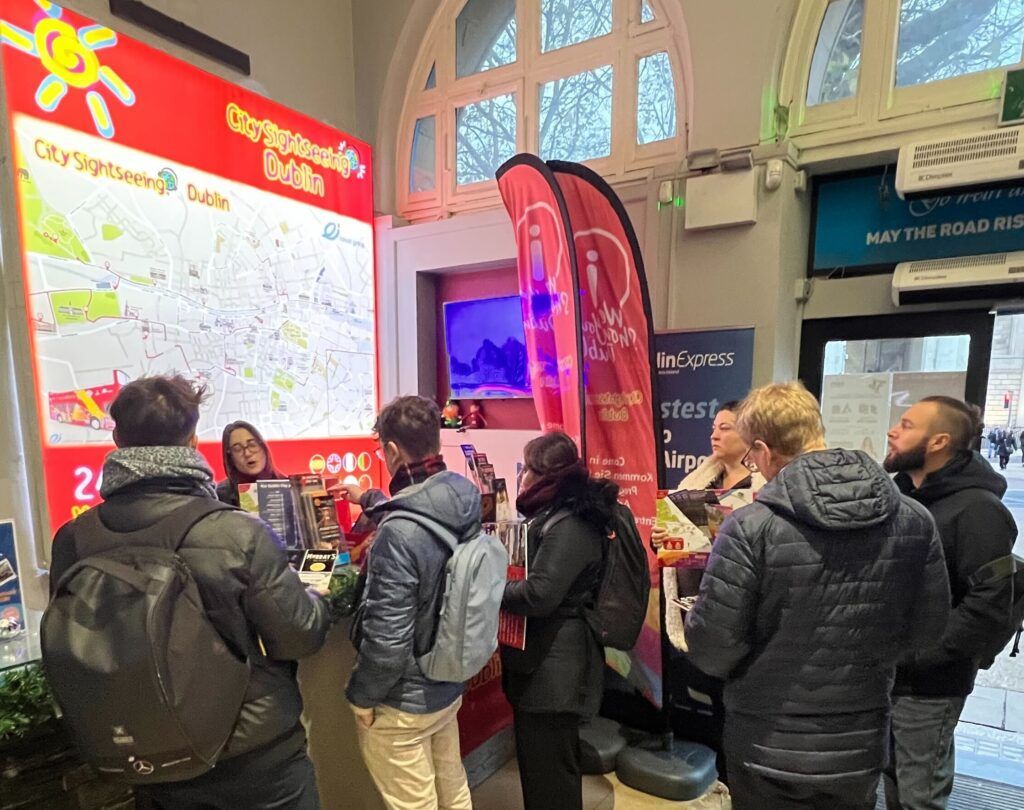
Travel operators can create a similar feeling without copying the format. It begins with small, reliable behaviours.
- Being open
- Being consistent
- Remembering people
- Using warm, simple language
- Making customers feel part of your story, not just your schedule
These gestures build trust slowly and steadily. They also encourage repeat visits, especially from locals who enjoy returning year after year.
6. The real takeaway for travel
Monzo succeeded because people felt informed, supported and reassured. Those feelings matter just as much when someone books a boat trip, a museum ticket or a guided tour. Visitors often do not know the area. They may be travelling with children or tight timeframes. They want clear and simple steps that help them feel prepared.
The future of travel customer service is not about flashy technology. It is about emotional clarity. It is the calm confidence that comes from knowing what is happening and what to expect next.
Monzo showed that small changes in communication and speed can transform trust. Travel has the same opportunity. Once you make these adjustments, the whole experience becomes easier for everyone involved.
Want the inside info? Contact Palisis, so we can share our wealth of industry experience to help you book more tours, with leading tech, ticketing, and channel management.