For a long time, many tourist experiences have treated seating as something to sort out later. The ticket gets sold, the guest turns up, and everyone hopes for the best.
For a growing number of attractions, performances, and dinner shows, the seat is no longer just about logistics. It is part of the product. It affects how premium the experience feels, how easy it is to sell, and whether the guest arrives excited or slightly suspicious.
Experiences are becoming the main event
For many travellers, experiences are no longer the add-on after flights and hotels are booked. They are one of the reasons for taking the trip in the first place.
McKinsey says travellers spend roughly $1.1 trillion to $1.3 trillion a year on travel experiences globally, with paid, structured tourist experiences alone worth around $250 billion to $310 billion. It also points to strong growth in the sector.
Arival’s 2025 traveller research found that around 65% of travellers aged 18 to 54 say experiences, food and attractions are very or extremely important in deciding where to go.
That is a big clue. If the experience itself is helping drive destination choice, people are naturally going to pay more attention to what kind of experience they are actually booking.
And when something is the plan, people care more about where they are sitting.
Travellers are more willing to pay for better experiences
This matters even more when you look at younger travellers. McKinsey found that 52% of Gen Z travellers say they splurge on experiences, compared with 29% of baby boomers.
Arival also found that seven in 10 travellers aged 18 to 34 attended an event while on a trip, while six in 10 travellers aged 35 to 54 did the same. The same research reported average event spend of $247 per person in the U.S. and €221 in Europe among younger event travellers.
That does not mean every attraction suddenly needs a complex seating plan.
It does mean there is a growing audience for experiences that feel special, premium, or memorable. And once people are spending real money on an evening out, “you’ll be seated somewhere in the room” starts to feel a bit flimsy.
The seat is part of the value
Many tourist venues are not just selling entry. They are selling a better view, a more central position, a more comfortable table, a VIP zone, drinks included, or the simple relief of knowing your whole group will sit together.
That is why seat selection is becoming more important; seating is crucial. It helps operators show the differences between ticket types in a way guests can quickly understand.
Without that, a lot of products get flattened. Premium and standard start to blur together. Guests hesitate because they are not sure what they are paying for. Or they book the cheapest option because the upgrade is too vague to justify.
Tourist audiences need more reassurance
Local customers often already know the venue. Tourists usually do not.
They are booking from a hotel room, on a phone, in a rush, with no mental picture of the room and no idea whether Row G is brilliant or blocked by a pillar. So they need more help making sense of what they are buying.
That is where clear seat categories, better visuals, and more transparent booking journeys start to matter more.
Online booking has raised the bar
The experiences sector is still catching up with the rest of travel in some areas, but the direction is clear.
Arival reports that online channels continue to grow in tours, activities and attractions, while the wider experiences market is becoming more digital and more competitive. In a related market outlook, Arival says online channels are expected to keep scaling, with online share projected to rise significantly over the next few years.
Because once people are used to choosing flight seats, hotel rooms and event tickets online, they start expecting that same clarity elsewhere too.
Distribution is pushing this forward as well
This is not only about direct bookings.
It is also about how the wider market is moving. In April 2025, GetYourGuide announced that customers would soon be able to select specific seats for shows in select destinations through its app, starting with MGM Resorts’ shows in Las Vegas.
On its own, that does not transform the whole sector overnight. But it is a clear signal of where expectations are heading.
Once major booking platforms start making seat choice visible to customers, even in limited cases, it changes what “normal” looks like.
Dinner shows make this especially obvious
If there is one part of the market where this is easiest to see, it is dinner shows and seated evening experiences.
These businesses are often selling much more than admission. They are selling atmosphere, timing, table location, inclusions, and a certain kind of night out. In that context, seating is not a side detail. It shapes the whole experience.
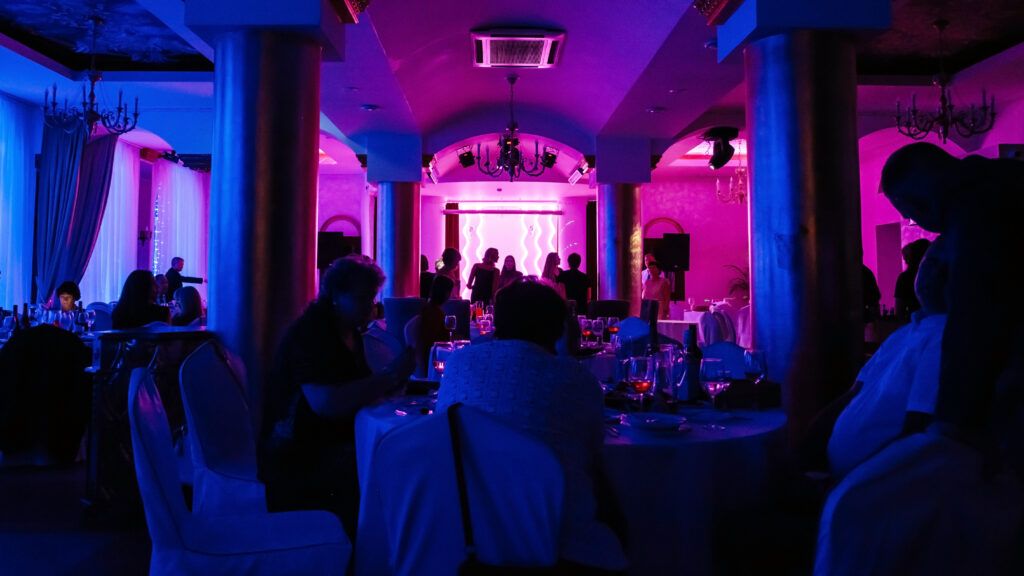
A central table with drinks included is not the same product as a standard side seat, even if both technically get you into the room.
And if the booking journey does not help guests understand that difference, the operator is doing extra work later to explain, justify, or smooth over expectations.
The old manual workaround is ageing badly
For years, many venues have managed with a slightly improvised system.
And to be fair, sometimes they do make it work.
But the more premium, digital, and multi-channel the market becomes, the more those workarounds start to creak. Staff spend more time answering questions. Group bookings get messier. Guests arrive with expectations that do not quite match what was sold. Pricing becomes harder to explain
So why is seat selection becoming more important?
Because several things are happening at once.
Experiences are becoming more central to travel decisions. Travellers are spending more on them. Online booking is maturing. Distribution is evolving. And more operators are selling products where the seat genuinely affects the value of the experience.
That does not mean every attraction needs a detailed seat map.
But it does mean that for dinner shows, concert venues, seated attractions, and premium guided experiences, seating is becoming harder to ignore in the booking journey.
Contact us today to see how we can help you set up seating plans and benefit from the automated process for seat selection and seat upgrades.